2026 Best IP67 POE Splitter Features and Benefits Explained?
In the ever-evolving world of technology, the IP67 POE Splitter stands out as a remarkable solution for powering devices in challenging environments. According to industry expert Mark Thompson, “The IP67 POE Splitter is crucial for maintaining network integrity in tough conditions.” This statement emphasizes the importance of durability and reliability in selecting the right splitter.
These splitters ensure that devices remain functional, even in harsh weather or industrial settings. The IP67 rating signifies protection against dust and water, addressing potential issues users may face. However, many overlook the importance of properly connecting these devices to maximize their performance.
While the features of an IP67 POE Splitter are impressive, ensuring proper installation remains a significant challenge. Users must be cautious and attentive to details during the setup process. Recognizing these aspects can lead to better experiences and improved network reliability. In a market full of options, understanding the true value of the IP67 POE Splitter becomes essential.
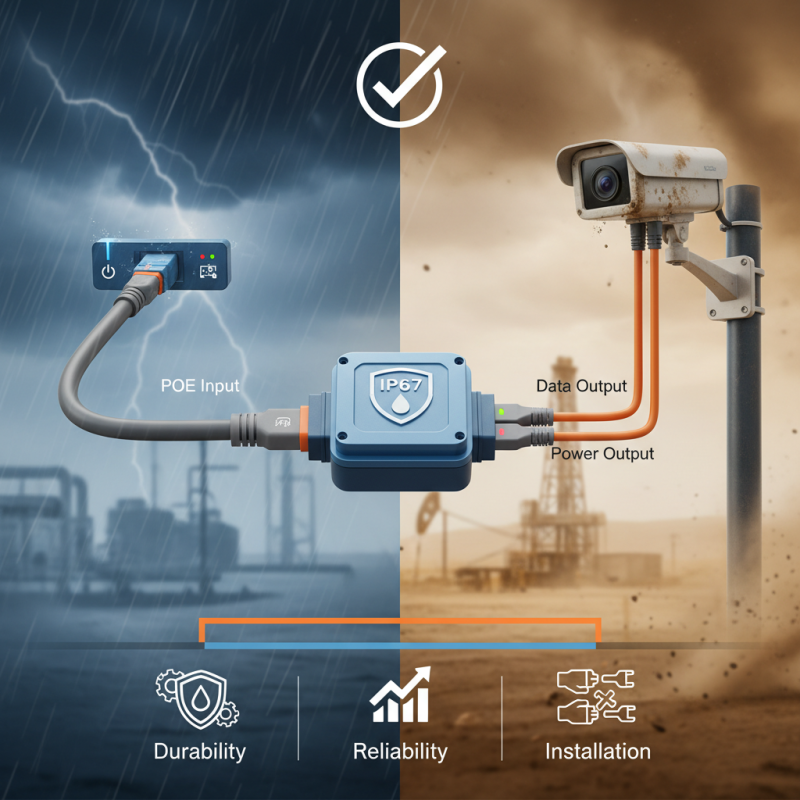
Overview of IP67 POE Splitters and Their Importance
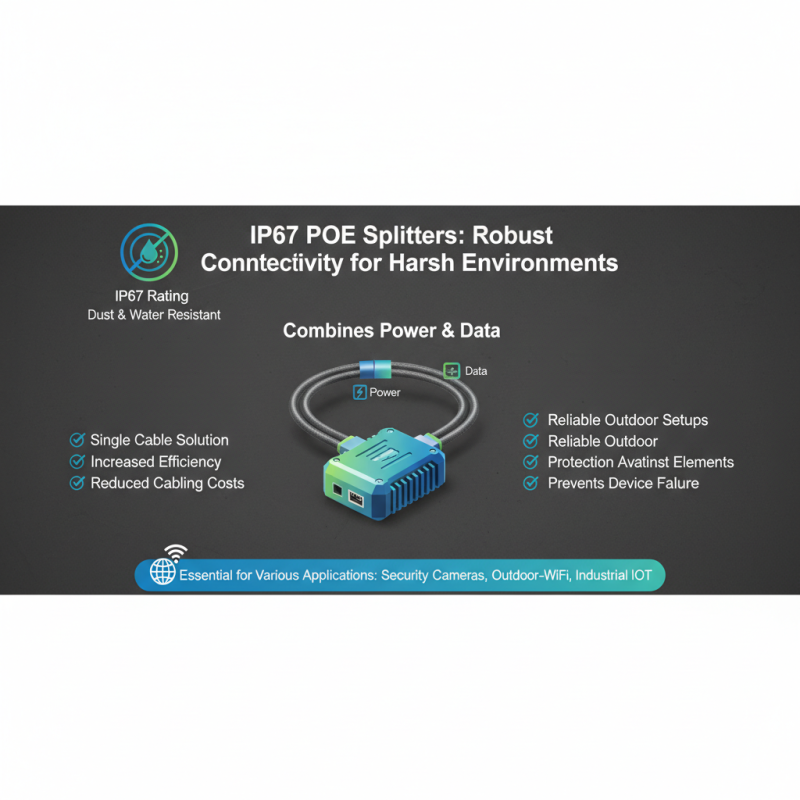
IP67 POE splitters are essential for various applications. They combine power and data transmission in a single cable. This efficiency is crucial for outdoor setups. The "IP67" rating indicates their resistance to dust and water. This feature makes them reliable in harsh environments. Without this protection, devices can easily fail.
Using these splitters means lower installation costs. They eliminate the need for separate power cables. This is significant for security cameras and wireless access points. However, it is vital to ensure proper placement. Misinstallation can lead to performance issues. Users should double-check connection points.
Choosing the right IP67 splitter is a task. Many options are available, but not all are suitable for every application. Research is necessary. Each setting may have unique power and data needs. Overlooking these details could result in underperformance. Balancing quality and functionality is important. This process requires careful consideration and testing.
Key Features of 2026 IP67 POE Splitters
When choosing an IP67 POE splitter, key features can greatly impact performance. An IP67 rating ensures the device is dust-tight and can withstand immersion in water. This feature is crucial for installations in harsh outdoor environments. For instance, a report from the International Telecommunication Union highlights that devices with higher environmental ratings show a 30% longer lifespan.
Power output is another significant factor. Many IP67 POE splitters deliver up to 30 watts, suitable for powering various devices like cameras and wireless access points. High-quality connectors help maintain data integrity, with studies showing that poor connections can lead to a 15% drop in performance.
Tips: Look for splitters with temperature management systems. These prevent overheating during heavy usage. Another tip is to check the cable length. Shorter cables can minimize signal loss.
Additionally, users should ensure their splitter has overcurrent protection. This feature helps prevent failures and equipment damage. An overlooked aspect is compatibility; not all devices work seamlessly together. Taking time to review specifications can save future hassles.
2026 Best IP67 POE Splitter Features and Benefits Explained
| Feature |
Description |
Benefits |
| Waterproof Rating: IP67 |
Suitable for harsh environments, resistant to dust and water immersion. |
Ensures reliable operation in outdoor and industrial settings. |
| Power Over Ethernet (POE) |
Delivers power and data over a single cable. |
Reduces installation costs and complexity by minimizing cable runs. |
| Compact Design |
Space-saving form factor. |
Easier integration in tight spaces and mounting environments. |
| Wide Voltage Input |
Accepts a range of input voltages. |
Increases compatibility with various devices and power sources. |
| Overvoltage and Overcurrent Protection |
Built-in protection mechanisms. |
Enhances safety and reliability, prolonging device lifespan. |
Advantages of Using IP67 POE Splitters in Various Applications
IP67 POE splitters are gaining traction across various industries. Their waterproof rating makes them ideal for outdoor applications. They can withstand rain, dust, and other harsh conditions. These features are essential for devices located in challenging environments. Cameras, sensors, and lights thrive with this protection.
Using an IP67 POE splitter simplifies cabling. One cable provides both power and data. This reduces installation complexity and costs. With fewer cables, the risk of damage decreases. However, improper installation can negate these benefits. It's crucial to follow guidelines for optimal use.
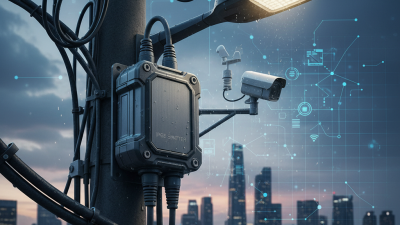
In addition to durability, IP67 splitters enhance flexibility. They can be used in remote locations without power outlets. This is particularly beneficial for surveillance systems or smart city applications. While they provide significant advantages, one must consider the initial investment. Cost may be a factor for some users. Yet, the long-term savings and reliability often outweigh these concerns.
Advantages of Using IP67 POE Splitters in Various Applications
Comparative Analysis: IP67 POE Splitters vs. Standard Splitters
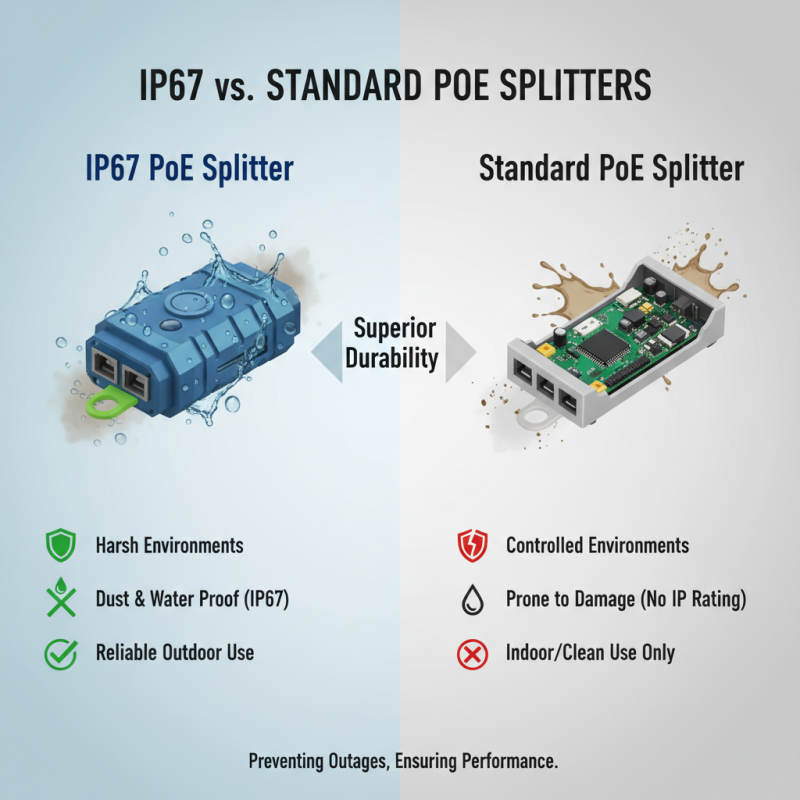
When comparing IP67 PoE splitters to standard splitters, it's essential to consider their unique advantages. IP67 PoE splitters are designed to withstand harsh environments. They prevent dust and water from entering, making them ideal for outdoor settings. In contrast, standard splitters may fail in wet or dirty conditions, leading to potential outages.
Using IP67 splitters can enhance longevity. These devices often last longer due to their protective features. Some users find that switching to IP67 models minimizes maintenance costs. While traditional splitters may work well indoors, they lack the durability needed for challenging conditions.
**Tips:** Always check the environment where the splitter will be installed. If it's exposed to moisture, an IP67 model is wise. Consider the specific needs of your device. Sometimes, a lower-rated splitter might suffice, saving costs on less strenuous applications. It's essential to reflect on your choices and evaluate if you truly need the best features.
Best Practices for Selecting and Installing IP67 POE Splitters
When it comes to selecting an IP67 POE splitter, consider the environment.
These devices excel in wet or dusty areas, but installation matters. Choosing the right location protects the splitter and improves its longevity.
Avoid placing it near water sources or direct sunlight.
Tips: Verify your cable lengths. Longer cables may reduce power efficiency.
This can cause devices to underperform. Use quality cables to maintain high performance.
Installation height is crucial.
Keeping the splitter at a sufficient height helps to prevent moisture exposure.
Remember, choosing the correct connectors enhances connection reliability. A secure fit reduces the chance of accidental disconnects.
Always check the compatibility of your devices. Some devices may not function well with all splitters.