Top 5 Benefits of L3 Managed PoE Switches for Your Network Needs
In today's rapidly evolving technological landscape, the demand for reliable and efficient networking solutions has never been more critical. According to a recent report by Frost & Sullivan, the global market for managed switches, including L3 Managed PoE Switches, is expected to witness significant growth, driven by the increasing need for power over Ethernet capabilities and advanced network management. These switches not only facilitate seamless connectivity but also enable the simultaneous delivery of power and data, which is essential for a multitude of devices like IP cameras, VoIP phones, and wireless access points.
L3 Managed PoE Switches, with their Layer 3 functionalities, allow for more sophisticated traffic management and robust security measures, providing businesses with greater control over their networks. A survey conducted by ITProPortal indicates that nearly 70% of enterprises consider power management and network reliability as top priorities when upgrading their infrastructure. The integration of L3 Managed PoE Switches addresses these needs by simplifying network architecture while enhancing operational efficiency, scalability, and resilience. By investing in this advanced technology, organizations position themselves to meet present and future networking challenges effectively.

Understanding L3 Managed PoE Switches and Their Functionality
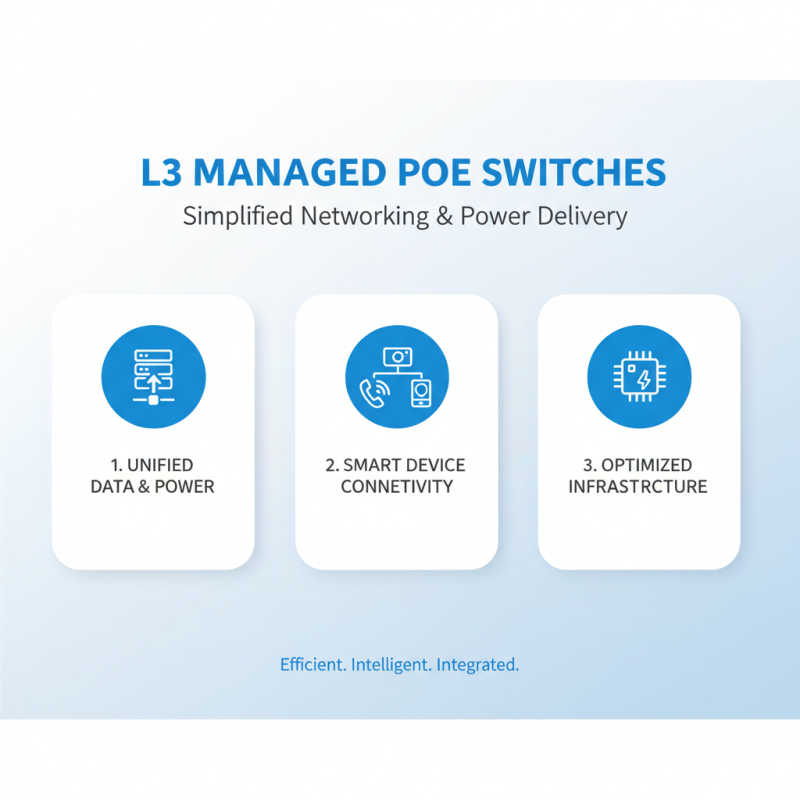
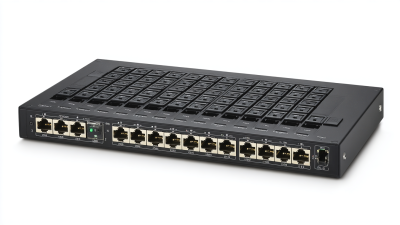
L3 Managed Power over Ethernet (PoE) switches are advanced networking devices that combine the functionalities of traditional switching with the advantages of Layer 3 routing. These switches enable efficient data handling and power delivery over a single cable, making them ideal for connected devices such as IP cameras, VoIP phones, and wireless access points. By integrating both data and power management, L3 Managed PoE switches simplify network infrastructure and reduce the need for separate power supplies.
One of the critical features of L3 Managed PoE switches is their ability to handle IP routing. This means they can intelligently direct traffic between different subnets, enhancing network performance and reliability. With capabilities like static routing and support for various protocols, these switches help manage traffic flow effectively, making them essential for larger networks that require segmented operations for security and efficiency. Additionally, the managed aspect provides network administrators with greater control and monitoring options, allowing for real-time diagnostics and updates to optimize performance and troubleshoot issues proactively.
Enhanced Power Management and Efficiency in Network Operations
Enhanced power management is a critical aspect of network efficiency, particularly with the integration of
L3 Managed PoE (Power over Ethernet) switches. These devices not only facilitate data transmission but also deliver electrical power to connected devices such as IP cameras, VoIP phones, and wireless access points. By optimizing the power allocation based on real-time consumption,
L3 Managed PoE switches significantly minimize energy wastage, leading to a more sustainable network operation. This intelligent power management ensures that each device receives the necessary power while reducing the overall energy footprint of the network.
Furthermore, the efficiency of network operations is greatly improved with L3 Managed PoE switches through their ability to monitor power usage and assess the performance of connected devices.
Network administrators can remotely manage power settings and adjust configurations as needed, ensuring that power is only supplied when required. This proactive approach not only enhances reliability but also aids in predictive maintenance, as any irregular power consumption can be promptly addressed.
Thus, the advanced power management capabilities of L3 Managed PoE switches contribute significantly to both operational efficiency and effective resource utilization within any network infrastructure.
Improved Security Features Offered by L3 Managed PoE Switches
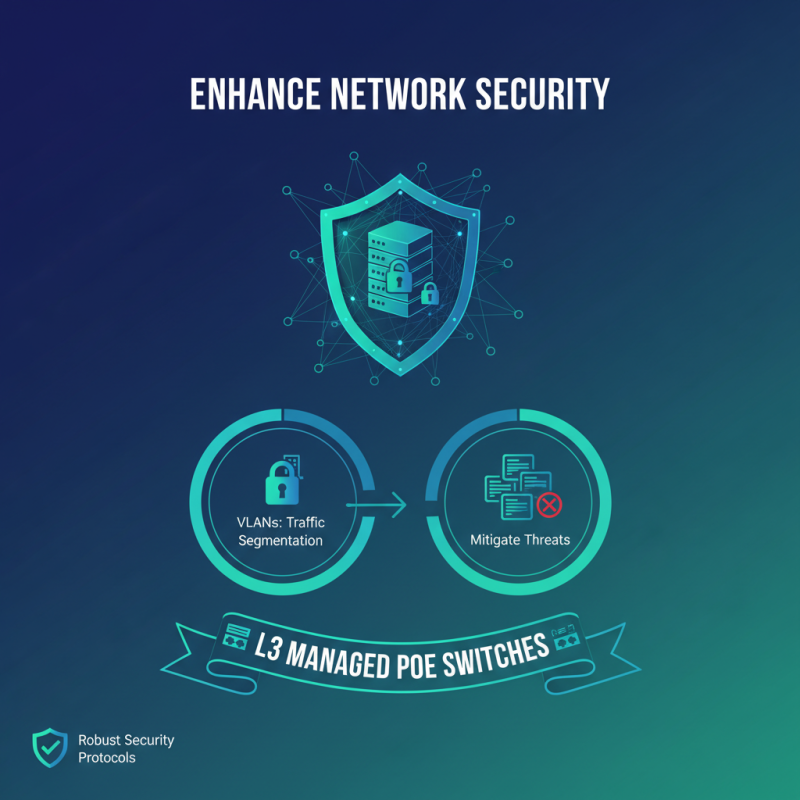
L3 Managed PoE switches are becoming increasingly popular among businesses seeking to enhance their network capabilities, particularly when it comes to security features. These advanced switches come equipped with robust security protocols that help safeguard sensitive data and mitigate unauthorized access. The ability to implement VLANs (Virtual Local Area Networks) through L3 management allows for enhanced segmentation of network traffic, effectively isolating different parts of the network. This isolation minimizes the risks associated with internal threats and helps maintain the integrity of confidential information.
One of the key security features of L3 Managed PoE switches is their support for Access Control Lists (ACLs), which enable administrators to define permissions for users and devices on the network. By controlling who can access what data, organizations can create a more secure environment, effectively reducing the likelihood of data breaches. Additionally, these switches often provide port security settings that can limit the number of devices that are allowed to connect to any individual port, preventing unauthorized access at the physical layer.
Tips: Regularly update the firmware of your L3 Managed PoE switches to ensure all security vulnerabilities are patched. Also, implement a comprehensive monitoring system that tracks traffic and alerts you to unusual activities, as real-time insights can significantly enhance your network's overall security posture. Maintaining a proactive approach to network security goes a long way in safeguarding your organization’s digital assets.
Scalability Benefits for Growing Network Infrastructures
Scalability is a crucial aspect of modern network infrastructures, especially as organizations face the challenges of rapid growth and evolving technology demands. L3 managed PoE switches are designed to support this scalability, offering enhanced connectivity for devices such as IP cameras, VoIP phones, and Wi-Fi access points. According to a recent report by MarketsandMarkets, the global managed switch market is projected to grow from USD 6.94 billion in 2021 to USD 12.24 billion by 2026, indicating a robust demand for solutions that facilitate network expansion.
One of the primary advantages of L3 managed PoE switches is their ability to efficiently handle increased traffic and device density in a growing network. These switches allow for the integration of Layer 3 routing protocols, which not only optimizes performance but also simplifies network management as more devices come online. The ability to manage and prioritize traffic through virtual LANs (VLANs) enables organizations to segment their networks effectively, thereby ensuring that critical services receive the bandwidth they need without interference from less urgent traffic. This is particularly significant as a study by Statista revealed that the average number of connected devices per household is expected to reach 13.5 by 2025, underscoring the need for highly scalable and efficient networking solutions.
Moreover, L3 managed PoE switches provide the flexibility to expand network infrastructure without the need for significant overhauls. Their modular architecture allows for the addition of more ports and capabilities as the organization grows, which means businesses can invest in their network in stages rather than all at once. This on-demand adaptability not only reduces upfront costs but also minimizes downtime, making it an appealing option for enterprises looking to future-proof their infrastructures in an ever-changing technological landscape.
Simplified Network Management and Monitoring Capabilities
L3 managed Power over Ethernet (PoE) switches offer enhanced network management capabilities that significantly simplify the administration of complex networks. These switches provide layer 3 routing functionalities, enabling efficient data traffic management and minimizing network congestion. According to a report by MarketsandMarkets, the global managed PoE switch market is expected to grow by over 12% annually, reflecting the increasing need for advanced network management solutions in various sectors.
One of the primary advantages of L3 managed PoE switches is their ability to offer centralized monitoring and management tools. With integrated network management software, administrators can oversee multiple devices from a single interface, allowing for real-time performance monitoring and quicker issue resolution. A study by IDC highlights that organizations implementing advanced managed networks experienced a 40% reduction in downtime and a 30% improvement in overall network efficiency. This leads to a more reliable network infrastructure which is critical for businesses that rely on uninterrupted connectivity.
Furthermore, the automation features available in L3 managed PoE switches help streamline network configuration and updates. Automation reduces the need for manual intervention, which not only cuts down operational costs but also mitigates the risk of human error. Recent data from Gartner indicates that automated network management tools can save IT teams up to 20% of their working hours, allowing them to focus on strategic initiatives rather than routine maintenance tasks. This capability is especially crucial in environments where network scalability and adaptability to new technologies are paramount.
Top 5 Benefits of L3 Managed PoE Switches for Your Network Needs