What is the Best Gigabit Switch for Your Business Needs?
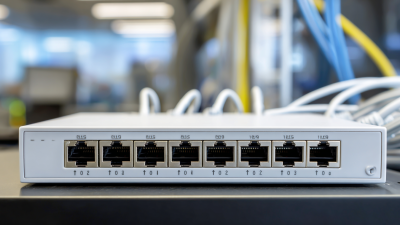
In today's fast-paced business environment, selecting the right networking equipment is crucial. A Gigabit Switch plays a pivotal role in enhancing network performance. According to industry reports, nearly 90% of businesses now rely on high-speed networks. With operational efficiency directly linked to network capabilities, a Gigabit Switch becomes essential for robust connections.
Many organizations underestimate the importance of choosing the right switch. For instance, a well-planned Gigabit Switch can handle data-intensive applications smoothly, greatly reducing latency. However, inadequate switches can impede communication and hamper productivity. Research shows that businesses can lose up to 25% of revenue due to network failures.
It's important to consider various factors when selecting a Gigabit Switch. Speed, reliability, and budget constraints all demand attention. Not all switches are created equal. Businesses must assess their specific needs before making a decision. Balancing cost-effectiveness with performance will ensure a long-term solution that supports growth.
Understanding Gigabit Switches and Their Importance for Businesses
Gigabit switches are essential for modern businesses. They enable high-speed data transfer, enhancing productivity. With increasing demands for faster internet, a reliable gigabit switch is crucial. These devices facilitate better communication by handling large data packets efficiently. Businesses that depend on cloud services and remote work benefit greatly from gigabit technology.
Choosing the right switch can be overwhelming. Consider the number of ports required for your operations. Make sure the switch can support your current and future devices. Additionally, power over Ethernet (PoE) options can simplify cable management. Some businesses may overlook the need for advanced features like VLAN support and network monitoring. Yet, these features can greatly impact overall performance.
Implementation doesn't always go smoothly. Businesses sometimes face configuration challenges or compatibility issues with existing hardware. Regular maintenance and proper setup are vital. Network speed can fluctuate without appropriate monitoring. Understanding these factors will help you invest wisely. Aim for a balance between cost and functionality.
What is the Best Gigabit Switch for Your Business Needs?
| Model |
Port Count |
Managed/Unmanaged |
PoE Support |
Average Price ($) |
| Model A |
8 |
Managed |
Yes |
150 |
| Model B |
16 |
Unmanaged |
No |
100 |
| Model C |
24 |
Managed |
Yes |
250 |
| Model D |
5 |
Unmanaged |
Yes |
85 |
| Model E |
12 |
Managed |
No |
120 |
Key Features to Look for in a Business Gigabit Switch
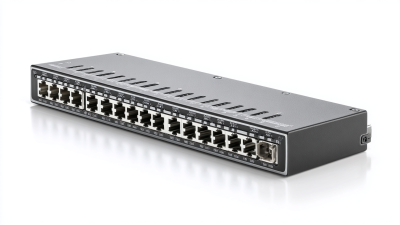
When choosing a gigabit switch for your business, consider several critical features. Port count is essential; it should meet current and future expansion needs. A switch with at least 24 ports allows for seamless connections as your team grows. Additionally, look for uplink ports. These dedicated ports enhance speed and connectivity to other network devices. Having at least two can prevent bottlenecks.
Another key feature is Power over Ethernet (PoE) support. This capability allows the switch to deliver power to devices like IP cameras and phones through the same Ethernet cable. It simplifies wiring and reduces clutter. Security features are paramount too. A switch should offer VLAN support to segment traffic and enhance security. Regular updates and firmware upgrades from manufacturers improve reliability and protect against vulnerabilities.
Heat management is an often-overlooked aspect. Switches without proper cooling can overheat and fail. Evaluate whether the device has adequate ventilation slots or even fan options if necessary. This small nuance can dramatically impact performance. Reflecting on these elements can help in making a more informed choice. A switch is not just a tool; it’s a foundational component of your network.
Comparing Managed vs. Unmanaged Gigabit Switches
When choosing a gigabit switch, businesses face a critical decision: managed or unmanaged. Understanding the differences between these options can greatly enhance network performance. Managed switches provide advanced features like traffic prioritization and monitoring. These capabilities are essential for organizations with complex networks. According to a report by MarketsandMarkets, the global managed switch market is expected to grow from $8.28 billion in 2020 to $12.36 billion by 2025. This growth highlights the increasing reliance on sophisticated network management.
On the other hand, unmanaged switches offer a straightforward solution. They are typically plug-and-play devices, requiring minimal setup. For small businesses with fewer devices or less network complexity, unmanaged switches may suffice. However, they lack the flexibility and control managed switches provide. In fact, Network World indicates that unmanaged switches can result in bottlenecks as the business scales. The choice should reflect not only current needs but future growth prospects.
Selecting the right switch involves weighing the options sensibly. It’s crucial to analyze the network demands carefully. Sometimes, organizations overlook potential issues like network congestion or security threats. Businesses must ensure their switch aligns with long-term objectives even if immediate requirements are met with simple solutions. Balancing complexity and efficiency is not always easy but paramount for sustainable growth.
Comparison of Managed vs. Unmanaged Gigabit Switches
Assessing the Best Brands and Models of Gigabit Switches
Choosing the right gigabit switch is critical for business efficiency. Different brands and models offer varying features. Focusing on what your business truly needs can save time and resources.
When assessing gigabit switches, consider the number of ports required. Some businesses thrive with eight-port switches, while others need 24 or more. Look for models that support both layer 2 and layer 3 functionalities, as they can enhance network capabilities.
Tip: Evaluate the switch's power over Ethernet (PoE) capabilities. This feature can streamline your setup by powering devices directly through the switch.
Another vital factor is reliability. A switch with a good warranty and technical support can be a lifesaver. Ensure it meets industry standards for performance and durability.
Tip: Always read user reviews. They provide real-world insights into performance and potential issues.
Incorporating these details can help you make a more informed decision. Each choice impacts the network's overall efficiency, so take your time.
Factors Influencing the Cost of Gigabit Switches for Businesses
When selecting a gigabit switch for your business, several factors influence its cost. The number of ports is crucial. Businesses often require multiple connections, which can raise the price. A switch with 8 ports may cost less than one with 48 ports. Additionally, the switch type plays a vital role. Managed switches tend to be more expensive than unmanaged ones. They provide advanced features like traffic management and monitoring.
Another aspect to consider is the switch's performance specifications. High-speed throughput and low latency are essential for ensuring smooth data transfer in busy networks. However, these specifications can lead to higher costs. Advanced features like Quality of Service (QoS) and Power over Ethernet (PoE) capability contribute to the price but also enhance functionality.
Durability also matters. A well-built switch can withstand continuous operation, decreasing the need for replacements. Businesses often overlook this. They focus more on initial costs rather than long-term reliability. Not all cheaper options are reliable, while some pricier ones may not deliver the expected value. Balancing these factors can be daunting, yet it’s crucial for making an informed decision tailored to specific business needs.