10 Best Industrial Managed Switches for Reliable Networking?
In the ever-evolving world of networking, the importance of reliable infrastructure cannot be overstated. Industrial Managed Switches have become crucial for ensuring seamless communication in various sectors. According to a recent report from MarketsandMarkets, the global industrial networking market is projected to reach $150 billion by 2025, underscoring the growing reliance on advanced networking solutions.
Expert in the field, Dr. Emily Zhao, emphasizes, "The efficiency of Industrial Managed Switches can dramatically influence operational success." This statement highlights the necessity of these switches in maintaining network performance. A well-implemented switch can reduce downtime and improve data transmission speed, yet many businesses still overlook optimal configurations.
Navigating the complexities of networking technology can be daunting. Companies often face challenges in selecting the right equipment. Despite the advances in technology, misconfigurations remain common. It is essential for organizations to invest time in understanding their networking needs, which is often neglected in the rush to adopt new technologies. A thoughtful approach can lead to more reliable networking environments and enhanced performance metrics.
The Importance of Industrial Managed Switches for Network Reliability
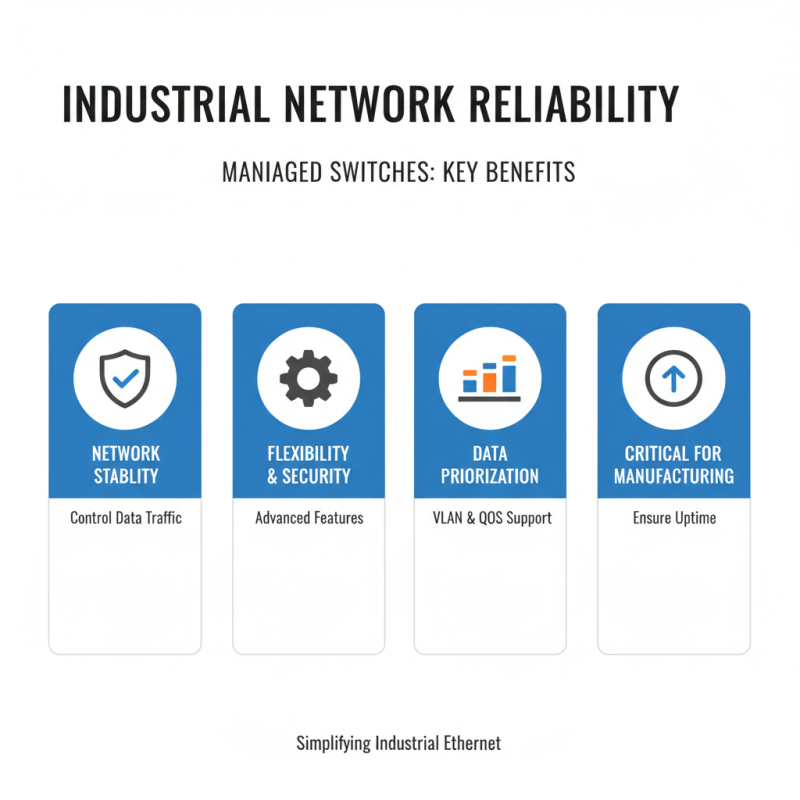
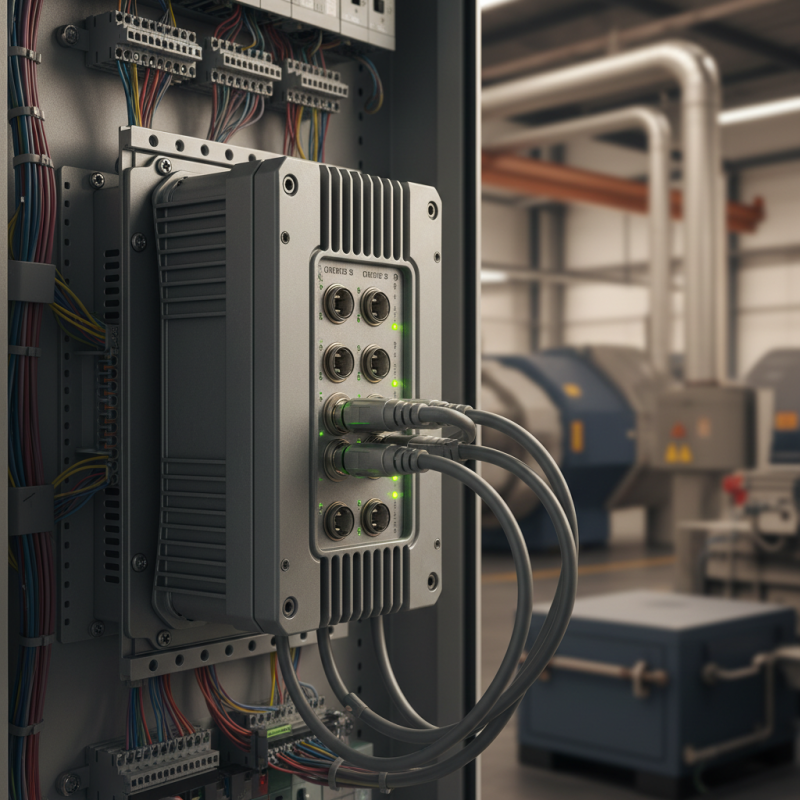
In industrial environments, reliability is crucial. Managed switches play a key role in ensuring network stability. They help control data traffic, providing flexibility and security. These devices offer advanced features, such as VLAN support and Quality of Service (QoS). Such capabilities help prioritize critical data, which is vital in manufacturing.
Despite their benefits, managed switches can be complex. Configuration may not be straightforward for everyone. Some users struggle with setup and management. This difficulty can lead to network issues if not handled properly. Regular updates are necessary, yet they can be forgotten amid busy schedules.
Moreover, the environment can challenge these devices. Extreme temperatures, dust, and vibrations can impact performance. Users may overlook the need for rugged solutions tailored to harsh conditions. As technology evolves, so do the demands on network infrastructure. Thus, awareness and consistent monitoring are essential for maintaining network reliability.
Key Features of Top Industrial Managed Switches Evaluated
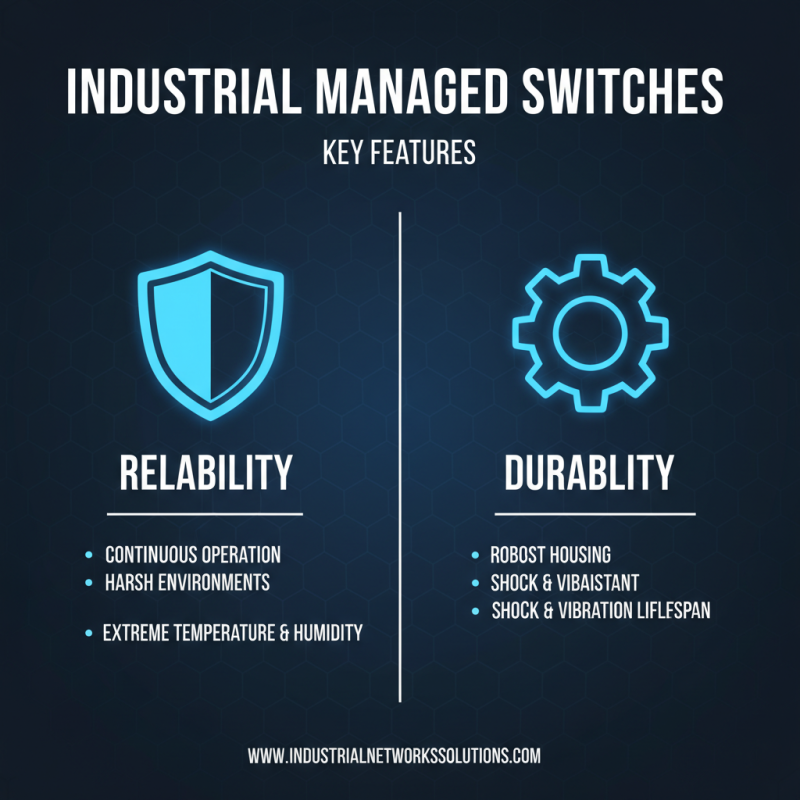
When considering industrial managed switches, key features stand out. Firstly, reliability is crucial. These switches should operate continuously in harsh environments. They need to withstand extremes in temperature and humidity.
Next, security features play a significant role. Managed switches often come with protocols to protect sensitive data. This includes VLAN support and access control lists. However, not all devices are created equally. Some may lack robust security options.
Tips: Always assess your specific needs. Look for switches with redundancy features to ensure uptime. Additionally, pay attention to the user interface. A more intuitive interface can save time during setup.
Port count and speed matter too. High port counts support more devices. Meanwhile, faster speeds enhance data transfer rates. However, finding the right balance can be challenging. Some may prioritize speed over the number of ports, which might limit future expansion. Always weigh your options carefully.
Comparison of Performance Metrics for Leading Managed Switches
In recent years, the demand for industrial managed switches has surged. Businesses need reliable networking to ensure smooth operations. These switches play a crucial role in maintaining connectivity. They facilitate data flow in complex environments. Performance metrics help in comparing different devices.
While assessing managed switches, key metrics include throughput, latency, and packet loss. Throughput measures the amount of data transferred in a set time. Lower latency is vital for real-time applications. Packet loss indicates reliability; high loss can disrupt operations. Some models may boast impressive numbers but sometimes fall short in real-world scenarios.
Operational reliability is essential, but it's not always guaranteed. Factors such as environmental conditions and configuration errors can impact performance. Users often overlook the importance of firmware updates. Maintaining an updated system is critical for optimal performance. Regular monitoring of switch performance often reveals inconsistencies. Companies should take time to review their needs before investing in a new switch. Understanding specific requirements can help in avoiding potential pitfalls.
Industry Standards and Certifications for Managed Switches Explained
When choosing managed switches for industrial networking, understanding industry standards is crucial. Managed switches must meet specific criteria for performance and reliability. Common standards include IEEE 802.3, which governs Ethernet specifications, and IEC 61850, essential for power utilities. These standards ensure that switches can handle the demands of industrial environments, such as harsh conditions and high data traffic.
Certification also plays a vital role. Look for switches certified by organizations like UL or CE. These certifications indicate compliance with safety and electromagnetic compatibility. A switch that meets these certifications is less likely to cause disruptions in critical operations. It's essential to verify these details in product documentation.
Tips: When selecting managed switches, prioritize those with multiple ports and easy management features. The ability to configure and monitor is a key advantage. Always check for compatibility with existing infrastructure, as integration issues could lead to inefficiencies. Remember, quality is important. A cheaper switch may cost more in downtime and repairs. Reflect on past purchases and their effectiveness. Did they meet expectations? What could have been better?
10 Best Industrial Managed Switches for Reliable Networking
| Model |
Port Count |
Layer |
Management Type |
Power over Ethernet (PoE) |
Temperature Range |
Certifications |
| Model A |
8 |
Layer 2 |
Full Managed |
Yes |
-40 to 75°C |
ISO 9001, CE |
| Model B |
16 |
Layer 3 |
Web Managed |
No |
-20 to 60°C |
RoHS, FCC |
| Model C |
24 |
Layer 2 |
Fully Managed |
Yes |
-40 to 70°C |
CLP, CE |
| Model D |
12 |
Layer 3 |
Smart Managed |
Yes |
-25 to 65°C |
UL, FCC |
| Model E |
8 |
Layer 2 |
Full Managed |
No |
-40 to 80°C |
ISO 9001, CE |
| Model F |
24 |
Layer 3 |
Web Managed |
Yes |
-40 to 85°C |
RoHS, FCC |
| Model G |
16 |
Layer 2 |
Fully Managed |
No |
-30 to 75°C |
CLP, CE |
| Model H |
12 |
Layer 3 |
Smart Managed |
Yes |
-20 to 65°C |
UL, FCC |
| Model I |
16 |
Layer 2 |
Full Managed |
Yes |
-40 to 70°C |
ISO 9001, CE |
| Model J |
24 |
Layer 3 |
Web Managed |
No |
-25 to 65°C |
RoHS, FCC |
Cost-Benefit Analysis of Investing in High-Quality Managed Switches
Investing in high-quality managed switches can significantly impact network performance. According to recent industry reports, robust switches can improve data throughput by up to 30%. The initial cost may seem high, but the long-term benefits are substantial. Organizations can experience reduced downtime and increased efficiency. This translates into significant savings over time.
A study from a leading telecommunications firm indicates that companies often underestimate the importance of reliable networking. Inadequate switches can lead to frequent disruptions. These interruptions typically cost businesses thousands each year. Investing in a managed switch helps mitigate these risks. It allows for better control over data traffic and enhanced security features.
However, it's crucial to approach this investment with caution. The market offers a variety of options, and not every solution fits every business need. Some companies may invest heavily only to find that their specific requirements differ from what the switches provide. A deeper analysis of your network environment is necessary to make informed choices. Balancing cost against needs can lead to a more effective investment.
Cost-Benefit Analysis of High-Quality Managed Switches