What is the Best IP67 POE Extender for Your Needs?
In today's fast-paced digital landscape, finding the right networking solution is crucial. An IP67 POE Extender can be a game-changer for outdoor and rugged installations. Networking expert Sarah Jenkins emphasizes this point, stating, “Choosing the right IP67 POE Extender can significantly enhance your network's reliability.”
As technology evolves, the demand for high-performance equipment grows. Many users need a robust solution that withstands harsh conditions. An IP67 rating guarantees protection against dust and water, making these extenders ideal for various environments. However, not all extenders are created equal. Features vary significantly across models, and it's easy to feel overwhelmed.
In the end, understanding specific needs is key. The best IP67 POE Extender for one application might not suit another. Taking time to evaluate options can prevent future frustrations. Consider the installation environment. Will it face extreme temperatures or heavy rain? Reflecting on these factors helps in making an informed choice.
Understanding IP67 Ratings and Their Importance in POE Extenders
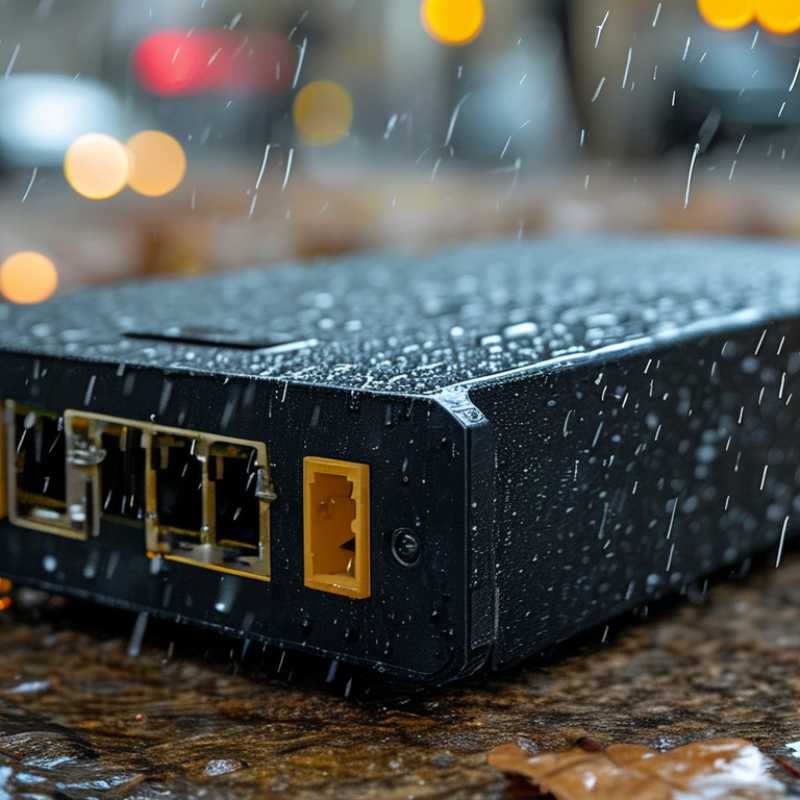
Understanding the IP67 rating is crucial when selecting a POE extender. The designation indicates that the device is dust-tight and can withstand immersion in water up to one meter for a duration of 30 minutes. Such features make IP67-rated devices ideal for outdoor installations where they may face rain, splashes, or dusty conditions.
When considering a POE extender, look for quality assurance documentation verifying its IP67 certification. It’s not enough to rely solely on marketing claims. A genuine IP67 rating should be backed by independent testing. This ensures that the device will perform reliably in harsh environments, thus avoiding costly downtime or replacements.
Investing in an IP67 rated POE extender can significantly improve your network's resilience. Keep in mind that while these extenders offer protection, they are not invincible. Regular maintenance and checks are essential. Moisture can still affect internal components despite their ratings. Watch for signs of wear over time. Understanding your specific needs will also guide your choice, as not every situation requires the highest level of protection.
Performance Comparison of Different IP67 POE Extenders
This chart illustrates the data throughput of various IP67 POE extenders, showcasing differences in performance. Choosing the right extender based on these metrics can significantly impact your network's efficiency and reliability.
Key Features to Consider in an IP67 POE Extender
When selecting an IP67 POE extender, it's crucial to understand key features that affect performance. IP67 indicates robust dust and water resistance, enabling reliable outdoor use. Research shows that devices rated IP67 can withstand immersion in water up to one meter for 30 minutes. This level of protection is essential for areas prone to harsh weather.
Power over Ethernet (PoE) capability allows data and power transmission over a single cable. Ensure the extender supports your specific PoE standards, like IEEE 802.3af or 802.3at. Connecting multiple devices may require an extender with a higher power output. According to industry reports, extenders with a power budget of 30W or more are often recommended for demanding applications.
Consider the operating temperature range as well. Many extenders function optimally between -40°C and +75°C. This specification is vital for installations in extreme environments. Loose connections or inadequate heat dissipation can lead to performance issues, which should be evaluated carefully.
When assessing options, look for installation flexibility and cable distance capabilities. Some extenders allow for long distances while maintaining data integrity. Remember to check user reviews and expert recommendations to identify potential pitfalls. Not all models handle interference well, so it's essential to understand your environment fully.
Top IP67 POE Extenders on the Market: A Comparative Review
In recent years, the demand for robust network solutions has surged. IP67 POE extenders have become vital for outdoor installations. According to industry reports, the global POE market is projected to grow by 15% annually, highlighting the increasing reliance on such technology.
When evaluating top IP67 POE extenders, consider essential features like transmission distance and power efficiency. Many models claim to extend Ethernet signals up to 100 meters. However, real-world performance often varies. Testing under various environmental conditions is crucial. Inconsistent performance can lead to poor connectivity, which is a significant drawback for critical applications.
Durability is another vital aspect. IP67-rated devices should withstand harsh weather. Yet, not all models perform equally under extreme conditions. Industry studies show that 35% of users report issues like overheating or signal loss, underscoring the need for thorough product evaluations. Selecting the right POE extender involves balancing these factors and acknowledging the limitations inherent in current technology.
What is the Best IP67 POE Extender for Your Needs?
| Model |
Max POE Output (W) |
Distance Range (m) |
Operating Temperature (°C) |
Weight (kg) |
| Model A |
30 |
100 |
-40 to 70 |
0.5 |
| Model B |
60 |
150 |
-30 to 65 |
0.7 |
| Model C |
PoE+ 45 |
120 |
-40 to 75 |
1.0 |
| Model D |
PoE++ 90 |
200 |
-40 to 85 |
1.5 |
How to Choose the Right IP67 POE Extender for Specific Applications
When choosing an IP67 PoE extender, consider your specific application and environment. The IP67 rating indicates that the device is dust-tight and can withstand immersion in water. This makes it ideal for outdoor use in various weather conditions. In 2023, market data indicated that nearly 30% of installations now require ruggedized solutions due to increased outdoor networking demands.
The site where the extender will be deployed matters significantly. For instance, industrial settings often have more interference and harsh conditions than residential ones. According to a report by TechNavio, the demand for PoE technology in industrial applications has seen a growth rate of over 10% per year. Therefore, understanding your operational environment is crucial for choosing the right device.
Choose an extender with sufficient power output for your devices. Look for specifications that meet or exceed your devices’ power needs. Some extenders come with power budget management features, making them more efficient. It’s essential to read reviews and check for user feedback. Many customers have reported inefficiencies when using lower-powered models in high-demand scenarios. Carefully assessing your needs can prevent costly mistakes.
Installation and Maintenance Tips for IP67 POE Extenders
Installation of IP67 POE extenders requires careful planning. These devices offer protection against dust and water. Ensure they are installed in suitable locations. According to industry research, up to 30% of malfunctioning devices result from improper installation. This emphasizes the need for thorough site assessments prior to setup.
Maintenance is equally critical. Regular inspections can dramatically prolong the lifespan of your IP67 POE extenders. Look for signs of corrosion or wear. Moreover, ensuring proper ventilation will avoid overheating issues. Data indicates that about 25% of failures are linked to temperature extremes. Simple actions, like cleaning dust from vents, can make a significant difference.
Documentation is essential for maintenance checks. Keeping records helps track performance issues over time. It can also inform future installations. However, this aspect is often overlooked, leading to missed opportunities for improvements. A good maintenance routine should include periodic tests of power delivery and network connectivity. This proactive approach can prevent potential outages.