What is the Best IP67 POE Splitter for Your Needs?
In the evolving world of technology, the demand for reliable power solutions is paramount. A leading expert in the field, Dr. Emily Chang, emphasizes, “The right IP67 PoE splitter can transform your operational efficiency.” This statement highlights the significance of making informed choices in selecting an IP67 PoE splitter that meets your specific requirements.
An IP67 PoE splitter is particularly valuable in outdoor and harsh environments. With the ability to withstand dust and water, it ensures uninterrupted power delivery to devices. Choosing the right one, however, can be challenging. Factors like wattage, size, and compatibility with your devices must be carefully considered.
While many options exist in the market, not all IP67 PoE splitters are created equal. It's essential to evaluate them on performance, reliability, and cost. Reflecting on user reviews and expert opinions can guide your decision. A thoughtful approach will not only ensure you meet your needs but also enhance the longevity of your equipment.
Understanding IP67 Ratings: What It Means for POE Splitters
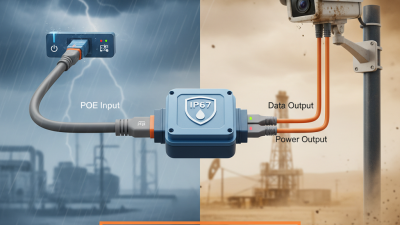
Understanding the IP67 rating is essential when choosing a POE splitter. The IP67 standard indicates that a device is both dust-tight and can withstand immersion in water up to one meter deep for a limited time. This level of protection is crucial for outdoor applications. Devices exposed to harsh conditions need reliable shielding against moisture and contaminants.
IP67-rated POE splitters ensure that your connected devices remain operational in challenging environments. This rating means the splitter's housing is robust, allowing for consistent power over Ethernet without interruptions. Users should check the specifications of the splitter closely. Look for strong materials, as these enhance the device's durability.
Installation can pose challenges. In some cases, the mounting position may hinder proper sealing. This could lead to water ingress, negating the IP67 benefits. It's crucial to inspect the connections and sealing before and after installation. Being aware of these potential pitfalls can save headaches later. Choose splitters that are tested rigorously to abide by the IP67 standard, ensuring long-lasting performance in your specific applications.
Key Features to Look for in a POE Splitter: A Comprehensive Guide
When selecting an IP67 POE splitter, it’s vital to consider key features that cater to your specific needs. The ingress protection rating is essential. An IP67 rating ensures dust-tightness and the ability to withstand immersion in water. This protection is critical for outdoor installations or humid environments. Look for models that highlight their tested range. Not all splitters are built to endure extreme conditions.
Another aspect to weigh is wattage support. Different devices require various power levels. A splitter that accommodates a wide range of power outputs can be more versatile. You may need to connect devices with different power requirements. Consider the output voltage compatibility as well. Misalignment can lead to device failure or inefficient performance.
Finally, effective heat dissipation is crucial for durability. Some splitters may overheat if not designed to manage heat well. Look for splitters with a robust material that promotes heat management. Taking these features into account can help ensure you find a suitable POE splitter for your applications. Reflecting on your needs will drive a better choice in the long run.
Comparing Top IP67 POE Splitters: Performance and Durability Metrics
When selecting an IP67 POE splitter, evaluating performance and durability is crucial. These splitters are designed for harsh environments, making them ideal for outdoor installations. Look for models that offer a wide temperature range and are resistant to dust and water.
The material quality of the splitter can greatly influence its longevity. Many splitters use robust plastics or metal housings to protect against environmental factors. However, not all units perform equally. Testing under real-world conditions can reveal weaknesses in some models. It’s important to read reviews focusing on long-term use.
In addition to durability, the power output and data transmission capabilities should meet your specific needs. Compare the wattage to ensure it can support your devices. Performance metrics, like efficiency ratings, can indicate how well the splitter operates under load. If you need more clarity, consulting user experiences can provide valuable insights into these metrics.
Performance Comparison of Top IP67 POE Splitters
Installation Best Practices for IP67 POE Splitters in Outdoor Environments
When installing IP67 POE splitters in outdoor environments, proper practices are essential for optimal performance. An IP67 rating means the device is dust-tight and can withstand immersion in water up to 1 meter. This makes them suitable for challenging outdoor settings. However, even the best-rated devices can fail without proper installation techniques. According to a report by the Electronics Industry Association, improper installation accounts for a significant percentage of equipment failures.
Before installation, consider the location and mounting surface. Ensure it is stable and free from moisture. Use appropriate mounting hardware to secure the splitter adequately. Additionally, keep the splitter sheltered from direct elements, such as rain or snow, to enhance its longevity. For outdoor deployments, running cables with weatherproof connectors is crucial, as indoor-grade connectors may degrade faster outdoors.
**Tips:** Always check for proper cable sealing. Any gap can lead to water intrusion. Test the equipment periodically to ensure it is functioning correctly.
Regular maintenance is vital. Inspect connections for wear or corrosion. Even high-quality materials can degrade under harsh conditions. Poor weatherproofing can quickly turn a reliable device into a failure point. Following manufacturer's guidelines carefully helps in maintaining equipment integrity. Professional installation is often worth the investment, ensuring reduced long-term costs and improved reliability.
Cost Analysis: Evaluating the Long-term Value of IP67 POE Splitters
When evaluating the long-term value of IP67 POE splitters, it's crucial to analyze costs effectively. According to recent industry reports, the lifespan of these devices typically ranges from five to ten years. Quality splitters can save significant amounts on maintenance costs over time. Investing in a reliable device often reduces the frequency of replacements, which can be a hidden expense.
Many users overlook the significance of environmental factors. IP67-rated devices can withstand dust and water exposure. The upfront cost may be higher, but the durability often justifies this expense. Studies indicate that companies using high-quality components tend to experience fewer failures. This leads to lower total costs in the long run.
Tip: Always evaluate your specific needs before purchasing. A tailored solution may enhance your operational efficiency.
It's essential to consider whether the investment aligns with your budget and application needs. Scrutinizing warranty offers is wise. Not all IP67 devices come with robust warranties, which may indicate their perceived lifespan.
Tip: Document any performance issues early on. Identifying problems can save costs before they escalate. Reflect on these factors to make informed decisions regarding your purchase.