Best Web Managed Switches for Your Network Needs?
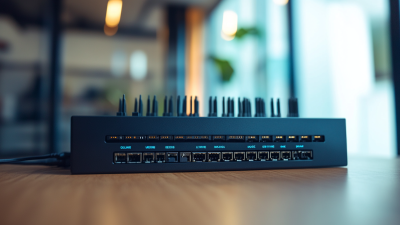
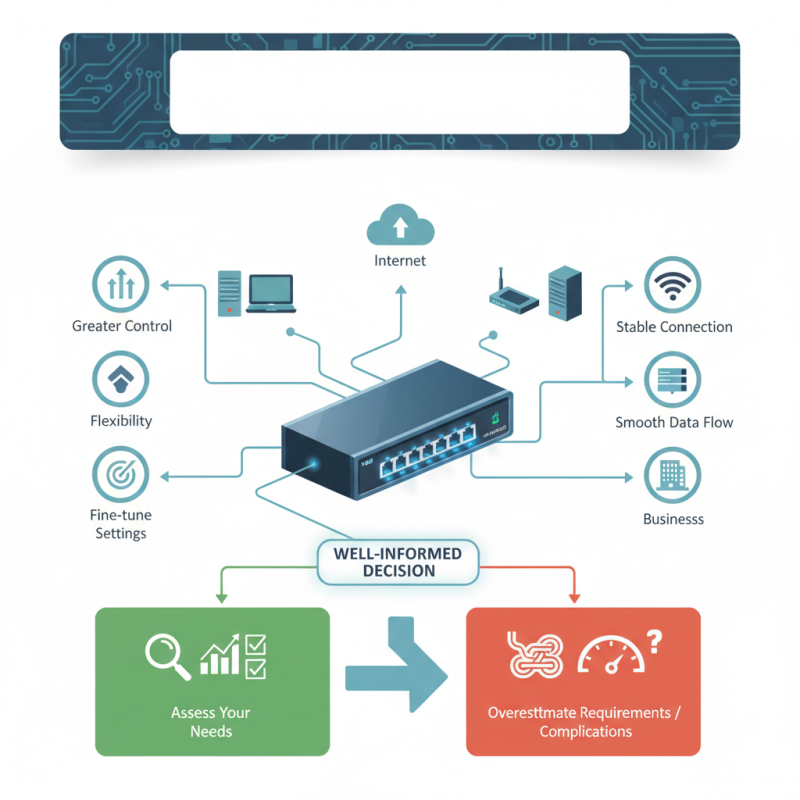
When setting up a network, choosing the right equipment is crucial. A Web Managed Switch is a key player in this regard. It allows for greater control and flexibility compared to unmanaged switches. With a Web Managed Switch, you can fine-tune your network settings easily. This is especially important for businesses that require a stable connection.
Many options exist on the market. Some switches offer advanced features like VLAN support and traffic management. However, not every product meets expectations. Some users may find certain features complex or unnecessary. It's essential to assess your actual network needs before diving in.
The choice of a Web Managed Switch impacts performance significantly. A suitable switch ensures smooth data flow for all connected devices. Yet, there may be a tendency to overestimate requirements. Rushing into a purchase can lead to complications later. Take the time to understand your network's needs to make a well-informed decision.
Understanding Web Managed Switches and Their Benefits
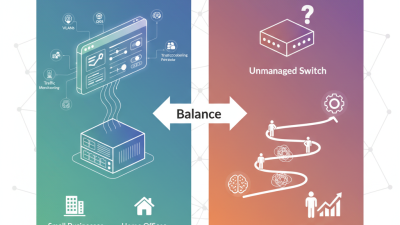
Web managed switches are essential for efficient network management. They provide a blend of control and convenience, suitable for both small and large networks. Unlike unmanaged switches, web managed options allow users to configure and monitor settings through a web interface. This adaptability is crucial for network optimization.
A recent report by the IDC highlighted that the global market for managed switches is expected to grow by 9% annually through 2025. This growth underscores the increasing need for advanced network functionality. Web managed switches facilitate features like VLANs, QoS, and port mirroring, enhancing overall performance.
**Tip:** Always assess the number of ports you need. Having too few can lead to connectivity issues. Adjusting settings may not solve fundamental hardware limitations.
When choosing a web managed switch, consider the level of security. Network breaches can severely impact operations. Many switches provide security updates, but some may lag in delivering these. Regularly review your switch’s firmware status to ensure you have the latest protection.
**Tip:** Monitor network traffic continuously. This can help identify unusual patterns early, protecting your assets. Ignoring traffic spikes can lead to serious vulnerabilities.
Network Performance Metrics of Web Managed Switches
Key Features to Consider When Choosing a Web Managed Switch
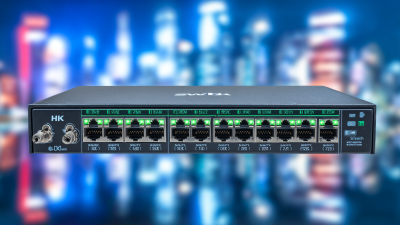
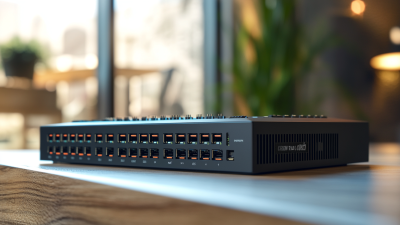
When it comes to choosing a web managed switch, several key features should be at the forefront of your decision. One important element is the number of ports. Evaluate your current devices and future expansions. A switch with multiple gigabit ports ensures faster data transmission and future scalability.
Next, consider management capabilities. A good web managed switch allows for simple configuration. Look for features like VLAN support and Quality of Service (QoS) settings. These can enhance network efficiency and prioritize traffic, which is crucial in busy environments. While these functions sound appealing, they might require some learning. It can be overwhelming initially.
Another vital aspect is security features. A switch that offers port security, access control lists, and encryption is essential for protecting sensitive information. These measures may seem complicated, but they are necessary today. The challenge lies in balancing user-friendliness with robust security. Ultimately, understanding these features can help make an informed decision for your network needs.
Best Web Managed Switches for Your Network Needs
| Model |
Ports |
Managed Type |
Total Bandwidth |
Power over Ethernet (PoE) |
Layer |
| Model A |
8 |
Web Managed |
16 Gbps |
Yes |
Layer 2 |
| Model B |
16 |
Smart Managed |
32 Gbps |
Yes |
Layer 2 |
| Model C |
24 |
Web Managed |
48 Gbps |
No |
Layer 3 |
| Model D |
12 |
Fully Managed |
24 Gbps |
Yes |
Layer 2 |
Comparing Top Brands and Models of Web Managed Switches
Web managed switches have become essential for modern networks. They offer advanced features over unmanaged switches. According to industry reports, the global market for managed switches is expected to grow significantly. The increasing demand for efficient data management drives this trend.
When comparing models, consider essential features like VLAN support and port mirroring. These functions enhance network security and traffic management. Many models now include user-friendly interfaces. This makes configuration more accessible for IT teams. However, some models lack certain advanced functionalities. It raises questions about their suitability for complex network environments.
Performance metrics are crucial. Studies show that switches with higher throughput handle traffic more effectively. Latency is another critical factor. Even minor delays can affect network applications. Therefore, careful assessment of performance specifications is vital. Many available switches claim high performance, yet real-world testing often reveals inconsistencies. Users should examine third-party reviews and reports. Combining these insights leads to better-informed decisions.
Setup and Configuration Tips for Optimal Performance
When setting up a web managed switch, proper configuration is crucial for performance. Start by adjusting the VLAN settings. By isolating traffic, you can enhance security and efficiency. Research shows that proper VLAN implementation can boost network performance by up to 35%. Choose the right VLAN tagging for your devices. It can feel overwhelming, but mastering it is key.
Quality of Service (QoS) settings are equally important. Prioritize critical applications to ensure smooth operation. Studies reveal that networks with optimized QoS see a 20% reduction in latency. However, misconfigurations can lead to bottlenecks. Many users overlook this aspect, resulting in subpar performance. Regularly test and adjust QoS rules as needs change.
Lastly, keep firmware updated. This not only enhances security but also improves functionality. Industry reports indicate that up to 30% of network issues stem from outdated software. Failing to update can create vulnerabilities. Balancing performance and security requires ongoing vigilance and proactive measures. Consider these aspects as you fine-tune your network for optimal results.
Common Use Cases and Applications for Web Managed Switches
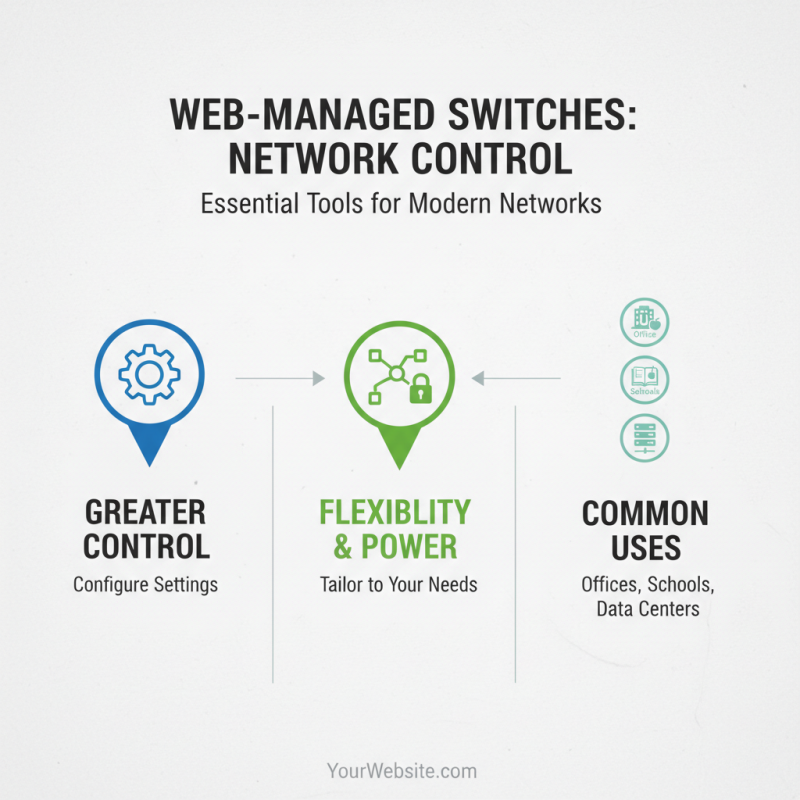
Web managed switches are essential tools for modern networks. They provide greater control and flexibility than unmanaged switches. Network administrators often choose them for their ability to configure settings according to specific needs. Common use cases include offices, schools, and data centers.
In an office setting, these switches allow IT teams to manage bandwidth effectively. They can prioritize traffic for critical applications. For example, video conferencing tools need stable connections. This management ensures that performance remains high even during peak usage times.
Schools may utilize web managed switches to handle multiple devices in classrooms. Students use tablets, laptops, and smart boards. With these switches, the network can support all devices without lag. However, improper configuration can lead to issues. Understanding each feature is vital. Small mistakes can have larger impacts. Regular review and adjustment of settings are key.