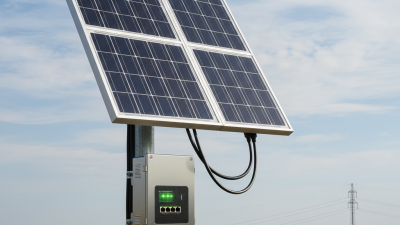
Outdoor PoE switch demand is rising as cameras, access points, intercoms, and industrial sensors move beyond controlled indoor spaces. MarketsandMarkets estimates that the global Power over Ethernet market will grow significantly through 2028, supported by smart buildings, security networks, and connected infrastructure. This growth creates more choices, but also more confusion for global buyers. A low-cost switch may power a camera in a warehouse, yet fail beside a coastal road or dusty construction site.
This guide examines 10 Best Outdoor PoE Switches for Global Buyers through practical selection criteria. Each Outdoor Poe Switch should be assessed for IEEE 802.3af, 802.3at, or 802.3bt compatibility, available PoE budget, port speed, and surge protection. Enclosure ratings also matter. An IP65 or IP67 housing can protect equipment from rain and dust, but installation quality still decides long-term performance. Cable glands, grounding, drainage, and temperature limits deserve equal attention.
The 2024 Ethernet Alliance PoE market research highlights continued adoption of higher-power PoE for lighting, access control, and advanced wireless devices. Meanwhile, industry infrastructure reports from Dell’Oro Group show sustained investment in Ethernet switching across enterprise and data-driven networks. These trends support stronger outdoor deployments, though they do not guarantee reliability. No ranking fits every climate or budget. That limitation matters. A switch designed for a mild office campus may struggle at 45°C, under ultraviolet exposure, or during repeated lightning events. Buyers should compare tested specifications, warranty coverage, regional certifications, and real deployment feedback before choosing a model. Small details often decide the outcome.
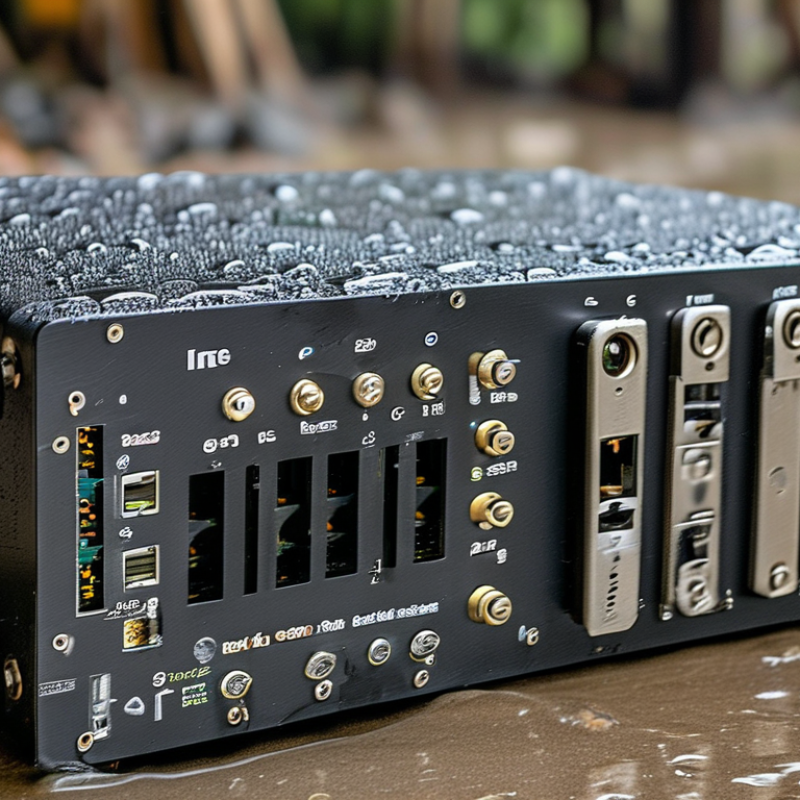
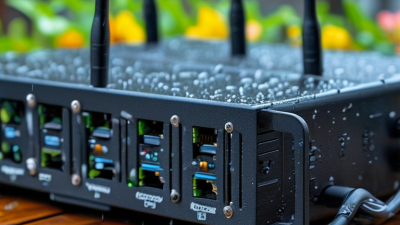
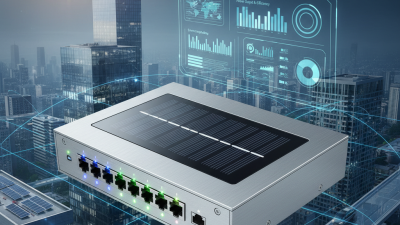
Outdoor PoE switches are network devices designed for exposed environments. They send data and electrical power through one Ethernet cable. This powers outdoor cameras, access points, intercoms, and sensors without separate power lines. A typical unit uses PoE standards that regulate voltage, wattage, and device detection. When a connected device requests power, the switch checks compatibility before supplying it. This reduces damage risks. However, not every outdoor switch performs equally in heat, rain, dust, or freezing conditions.
The enclosure usually provides weather protection through a sealed housing, cable glands, and corrosion-resistant materials. Some models support wide operating temperatures and surge protection for long cable runs. During installation, I would check the IP rating, grounding method, available PoE budget, and maximum Ethernet distance. A switch may have enough ports but still lack total power capacity. That mistake is easy to make. Fiber uplinks can also improve stability between buildings, especially where electrical interference is present. Local electrical rules still require careful review.
Tips: Place the switch under a sheltered surface when possible. Leave space around ventilation areas. Use outdoor-rated Ethernet cable and sealed connectors. Test each powered device before final mounting. Keep a small power reserve for startup surges. In practice, cable quality often matters more than expected. Also, weatherproof does not mean maintenance-free; inspect seals and grounding after severe storms.
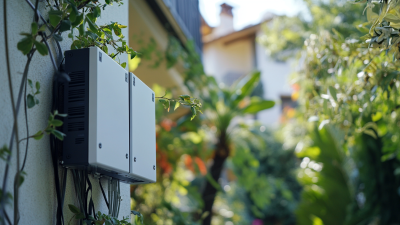
The chart compares the maximum power supplied by an outdoor PoE switch port with the power available to a connected device under the IEEE 802.3 PoE standards. Higher-power standards support equipment such as PTZ cameras, wireless access points, lighting systems, and other power-hungry outdoor devices.
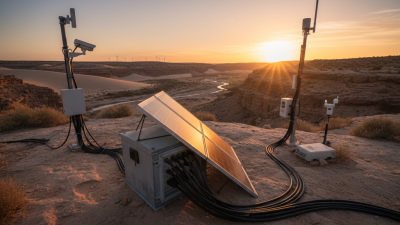
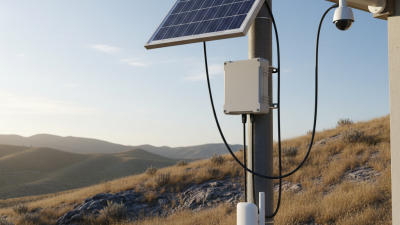
An outdoor PoE switch must survive more than rain. It faces dust, heat, freezing nights, insects, and unstable power. I have seen indoor-rated equipment fail after one wet season. Weather changes fast.
Check the enclosure’s IP rating and operating temperature range. A sealed metal housing helps, but trapped heat can still shorten service life. Look for ventilation designed for outdoor use, corrosion-resistant materials, and suitable mounting hardware. The switch should support the required PoE standard and provide enough total power for every connected camera, access point, or sensor. Leave extra capacity for startup surges and future devices. Measure twice.
Surge protection is essential when Ethernet cables run between buildings or across open areas. Confirm its protection level, grounding method, and replacement process. Fiber uplinks can reduce electrical risk over long distances, while dual power inputs may improve availability. Managed features such as VLANs, traffic monitoring, remote reboot, and alarm notifications also support safer maintenance. I prefer clear manuals and testable status indicators over impressive specifications. Some vendors list peak power without explaining real-world limits, so verify figures under high temperatures. No checklist is perfect. Local installation conditions still deserve careful review.
For global buyers, the ten best outdoor PoE switches are not identical. The right choice depends on cameras, access points, distance, and climate. In field installations, I check the PoE standard before counting ports. PoE supports basic devices, while PoE+ handles stronger wireless units and cameras. High-power PoE is useful for demanding equipment. Do not overbuy blindly.
A practical shortlist includes compact four-port, eight-port, and sixteen-port switches. Add gigabit models for busy video networks. Managed switches provide VLANs, traffic monitoring, and remote fault checks. Unmanaged units cost less and suit simple sites.
Long-range PoE models help when cable runs exceed ordinary expectations. Fiber-uplink versions reduce lightning exposure between buildings. Industrial models tolerate vibration, dust, and wider temperature changes.
Redundant-power designs improve availability. Surge-protected switches are valuable near exposed poles. Weather-rated enclosures complete the tenth option.
Look for IP protection, operating temperature, grounding, and surge specifications. Confirm the switch matches local voltage and network regulations. A waterproof label alone proves little.
Cable quality matters too. Outdoor-rated Ethernet cable and sealed connectors prevent many failures. I once focused too heavily on port count and underestimated heat buildup. That mistake changed my testing process.
Install airflow carefully, even outdoors. Check power budgets under full load, not idle conditions. Some products advertise long distances, but real performance falls with poor cable, interference, or low voltage. Ask for test data, warranty terms, and regional support before purchasing.
Comparing outdoor PoE switches starts with power, not port count. Check the total PoE budget against every connected camera, access point, and sensor. Leave at least 20 percent spare capacity for startup surges and future expansion. A switch may advertise high throughput, yet its backplane can become a bottleneck under continuous video traffic. Review switching capacity, forwarding rate, uplink speed, and packet-loss performance. Test it cold.
Reliability depends heavily on the enclosure and installation environment. Look for a suitable ingress-protection rating, wide operating temperatures, corrosion resistance, and strong cable glands. Surge protection matters near exposed cabling. Fiber uplinks can reduce electrical risks between buildings. Cable quality also affects performance. Use outdoor-rated Ethernet cable, maintain proper grounding, and avoid sharp bends near connectors. Small details matter. In field work, poor grounding has caused more trouble than limited bandwidth.
Management features reveal practical value. Monitoring should show link status, PoE consumption, temperature, and unexpected reboots. Automatic power recovery can restore a frozen camera, but it should not replace proper fault analysis. Check firmware support and configuration backup options before purchase. Global buyers should confirm input-voltage compatibility, environmental ratings, documentation quality, and regional safety requirements. I have learned that impressive specifications do not guarantee stable service. Datasheets can look perfect. Real weather is less polite. A careful comparison should include lab testing, installation conditions, and evidence from similar outdoor deployments.
| Rank | Reference Switch Profile | PoE Ports | PoE Standard | Total PoE Budget | Maximum Power per Port | Uplink Ports | Switching Capacity | Forwarding Rate | Long-Range Mode | Ingress Protection | Operating Temperature | Surge Protection | Management | Recommended Use |
|---|---|---|---|---|---|---|---|---|---|---|---|---|---|---|
| 1 | Industrial 8-Port High-Power Outdoor Switch | 8 × 10/100/1000 Mbps PoE | IEEE 802.3af/at/bt | 240 W | 90 W | 2 × 1GbE SFP + 2 × 1GbE RJ45 | 24 Gbps | 17.86 Mpps | Up to 250 m at reduced speed | IP66 enclosure | -40°C to +75°C | 6 kV line-to-line / 6 kV line-to-earth | Web, VLAN, QoS, STP/RSTP, SNMP | High-power cameras, Wi-Fi 6/6E access points, access-control systems |
| 2 | Managed 16-Port Gigabit Outdoor Switch | 16 × 10/100/1000 Mbps PoE | IEEE 802.3af/at | 240 W | 30 W | 4 × 1GbE SFP | 40 Gbps | 29.76 Mpps | Up to 250 m at reduced speed | IP65 enclosure | -40°C to +70°C | 6 kV line-to-line / 4 kV line-to-earth | Web, VLAN, QoS, STP/RSTP, LACP, SNMP | Medium-sized surveillance networks and distributed buildings |
| 3 | Industrial 24-Port PoE+ Aggregation Switch | 24 × 10/100/1000 Mbps PoE | IEEE 802.3af/at | 370 W | 30 W | 4 × 1GbE SFP | 56 Gbps | 41.67 Mpps | Not normally supported | IP30 cabinet; IP-rated external enclosure required | -40°C to +75°C | 4 kV line-to-line / 6 kV line-to-earth | Web, VLAN, QoS, STP/RSTP, LACP, SNMP | Large camera deployments with centralized fiber uplinks |
| 4 | Compact 8-Port PoE+ Field Switch | 8 × 10/100/1000 Mbps PoE | IEEE 802.3af/at | 120 W | 30 W | 2 × 1GbE SFP/RJ45 combo | 20 Gbps | 14.88 Mpps | Up to 250 m at 10 Mbps | IP65 enclosure | -30°C to +70°C | 4 kV line-to-line / 6 kV line-to-earth | Web, VLAN, QoS, STP/RSTP | Small outdoor camera clusters and wireless bridges |
| 5 | Unmanaged 4-Port PoE Outdoor Switch | 4 × 10/100/1000 Mbps PoE | IEEE 802.3af/at | 60 W | 30 W | 1 × 1GbE RJ45 | 10 Gbps | 7.44 Mpps | Up to 250 m at 10 Mbps | IP67 enclosure | -40°C to +65°C | 6 kV line-to-line / 6 kV line-to-earth | Unmanaged; plug and play | Remote gates, parking areas, small CCTV installations |
| 6 | DC-Powered 8-Port Rugged PoE Switch | 8 × 10/100/1000 Mbps PoE | IEEE 802.3af/at | 120 W | 30 W | 2 × 1GbE SFP | 20 Gbps | 14.88 Mpps | Up to 250 m at 10 Mbps | IP40 device; IP66 cabinet installation | -40°C to +75°C | 4 kV line-to-line / 6 kV line-to-earth | Web, VLAN, QoS, STP/RSTP, SNMP | Solar, battery, transportation, and utility enclosures |
| 7 | Ring-Network 16-Port Managed Switch | 16 × 10/100/1000 Mbps PoE | IEEE 802.3af/at | 240 W | 30 W | 4 × 1GbE SFP | 40 Gbps | 29.76 Mpps | Not normally supported | IP40 device; IP65 cabinet installation | -40°C to +75°C | 6 kV line-to-line / 6 kV line-to-earth | Web, VLAN, QoS, RSTP/MSTP, ERPS, LACP, SNMP | Sites requiring fiber redundancy and rapid link recovery |
| 8 | PoE++ 8-Port Outdoor Access-Point Switch | 8 × 10/100/1000 Mbps PoE | IEEE 802.3af/at/bt | 180 W | 60 W | 2 × 2.5GbE RJ45 + 2 × 1GbE SFP | 30 Gbps | 22.32 Mpps | Up to 250 m at reduced speed | IP65 enclosure | -40°C to +70°C | 6 kV line-to-line / 6 kV line-to-earth | Web, VLAN, QoS, LLDP, STP/RSTP, SNMP | Wi-Fi 6/6E access points, outdoor radios, and PTZ cameras |
| 9 | Gigabit 24-Port Managed PoE Switch for Protected Cabinets | 24 × 10/100/1000 Mbps PoE | IEEE 802.3af/at | 370 W | 30 W | 4 × 1GbE SFP | 56 Gbps | 41.67 Mpps | Not normally supported | IP30 device; install inside IP65/IP66 cabinet | -10°C to +60°C | 2 kV line-to-line / 4 kV line-to-earth | Web, VLAN, QoS, STP/RSTP, LACP, ACL, SNMP | Centralized outdoor cabinets and campus security networks |
| 10 | Long-Distance 8-Port Surveillance Switch | 8 × 10/100 Mbps PoE | IEEE 802.3af/at | 120 W | 30 W | 2 × 1GbE SFP | 5.6 Gbps | 4.17 Mpps | Up to 250 m at 10 Mbps | IP66 enclosure | -30°C to +60°C | 6 kV line-to-line / 6 kV line-to-earth | Web, VLAN, QoS, port isolation, watchdog | Long-distance IP cameras, farms, campuses, and perimeter security |
Outdoor PoE switches need more than weather resistance. They need careful installation, stable power, and regular inspection. During field installations, I have learned that a sealed enclosure can still fail when cable glands are loose. Mount the switch inside a shaded, ventilated cabinet when possible. Keep connectors facing downward. Use outdoor-rated Ethernet cables with proper shielding and waterproof seals. Leave a small service loop, but avoid sharp bends.
Tips: Check the power budget before connecting cameras, access points, or sensors. Confirm voltage, cable distance, and temperature limits from the technical datasheet. Test every port before closing the cabinet. Label both cable ends. A simple label can save hours later. I once skipped this step, and tracing one damaged cable became unnecessarily slow.
Maintenance should follow a practical schedule. Inspect seals, grounding points, cable jackets, and ventilation paths every few months. Remove dust, insects, and standing water from the enclosure. Watch for unstable links, repeated reboots, or unusual heat. These signs may appear before complete failure. Use surge protection and proper grounding, especially in exposed locations. Keep firmware updated through approved procedures, and record every change. Safety comes first: isolate power before opening equipment, follow local electrical requirements, and never work during storms. My own installations are not perfect, so I review failed assumptions after each project. That habit improves reliability.