Leave Your Message

7 Best Solar PoE Switches for Global Buyers 2026?

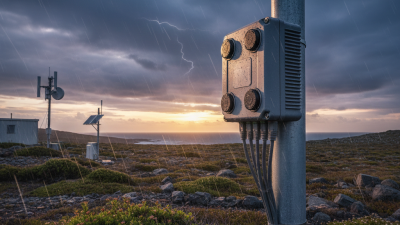
Reliable outdoor connectivity now depends on more than a solar panel and a network port. A Solar Poe Switch must balance power conversion, Ethernet delivery, weather resistance, and long-term battery performance. For global buyers in 2026, product selection should begin with the installation environment, not the advertised port count. A remote camera beside a dusty road needs different protection from a coastal access point exposed to salt mist.

This guide introduces seven leading solar PoE switch options for international projects. It considers PoE budget, input voltage range, enclosure protection, operating temperature, surge protection, remote monitoring, and installation flexibility. These details matter when sunlight changes quickly or technicians cannot visit the site for weeks. A switch may support several cameras on paper, yet fail when night-time battery reserves become too low. Real performance depends on cable length, camera startup demand, panel sizing, and local weather.

Specifications deserve careful checking. Certifications and regional compliance should be verified with the manufacturer or authorized distributor. Independent test reports are useful, but field conditions can still expose weaknesses. No product is perfect. Some models offer strong power management but limited diagnostics; others provide excellent protection with higher installation costs. This review therefore compares practical strengths and trade-offs, rather than presenting one universal winner. Buyers should treat the rankings as a starting point, then confirm compatibility through a site survey, energy calculation, and documented support plan. That step is easy to skip. It is also where many expensive mistakes begin.
7 Best Solar PoE Switches for Global Buyers 2026?

What Solar PoE Switches Are and How They Work

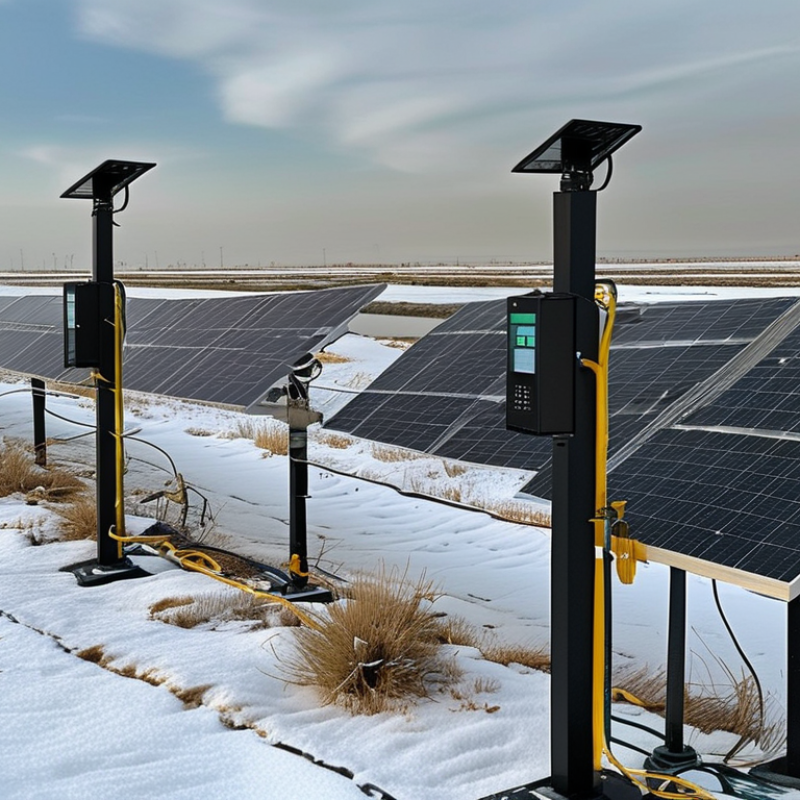
A solar PoE switch combines photovoltaic power, battery storage, and Ethernet networking in one field system. Solar panels charge a battery through a controller, while the switch distributes data and low-voltage power through Ethernet cables. Cameras, wireless access points, and sensors can then operate without a nearby grid outlet. IEEE 802.3af, 802.3at, and 802.3bt define common PoE power levels, but real output depends on cable length, temperature, and battery voltage.

The market need is expanding. The IEA Renewables 2024 report states that solar represented about three-quarters of global renewable capacity additions in 2023. This growth does not make every solar PoE installation simple. A cloudy week can reduce charging sharply. Oversized cameras can also drain batteries overnight. Careful design matters.

A practical system starts with the load budget. Add the wattage of every connected device, then include switch losses and seasonal sunlight changes. A 60-watt load running for 12 hours needs roughly 720 watt-hours before reserve capacity. In my experience, installers often underestimate winter recovery time. That mistake is costly.

Select weather-resistant enclosures, surge protection, and batteries rated for the local temperature range. Remote monitoring should show battery voltage, solar input, and port consumption. Without those readings, troubleshooting becomes guesswork. The best solar PoE switches are not simply the highest-powered models; they match network demand, solar yield, and maintenance access.
Key Features to Compare Before Choosing a Solar PoE Switch

Choosing among the 7 best solar PoE switches for global buyers in 2026 requires more than comparing port counts. Start with power compatibility. Check the switch’s voltage range, maximum PoE output, and daily energy demand. A unit supporting IEEE-compliant PoE standards can power cameras, wireless access points, and sensors more reliably. Still, real performance depends on sunlight, battery age, and cable length.

Weather protection matters in outdoor installations. Look for a strong enclosure, suitable ingress protection, corrosion resistance, and a wide operating-temperature range. Surge protection is also important near exposed poles or rooftops. Review the switch’s management features, including remote monitoring, load control, and fault alerts. These tools can reduce site visits, especially across distant regions. However, specifications do not always reflect field conditions. Test the system with the intended devices before full deployment.

Tips: Match the switch to your solar panel and battery design, not only your connected equipment. Leave extra power capacity for cold mornings, dust, and future devices. Confirm regional electrical certifications and network requirements before purchasing. Also, inspect the mounting method. A technically excellent switch can still fail when heat builds inside a poorly ventilated cabinet. I would document voltage readings after installation, although many installers skip this simple step. That omission can make later troubleshooting unnecessarily difficult.

Seven Solar PoE Switches for Different Global Applications

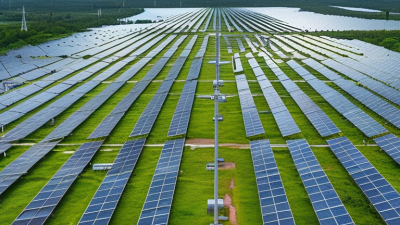
Solar PoE switches now serve more than remote cameras. The IEA PVPS Trends 2024 report estimates global photovoltaic capacity exceeded 2.2 terawatts by the end of 2023. That expansion creates practical demand for stable, off-grid networking.

Seven solar PoE switches fit different global applications.

A compact two-port model suits farm gates and small weather stations.

A rugged four-port switch supports roadside cameras in dusty environments.

An eight-port outdoor unit works well for solar-powered security zones.

A managed switch helps telecom shelters monitor voltage, traffic, and port failures.

A long-range PoE model connects cameras across wide agricultural fields.

A low-temperature version serves mountain stations and cold storage yards.

An industrial high-power model supports lighting, sensors, and access controllers together.

Selection requires more than counting ports. IEEE 802.3bt can deliver higher power than earlier PoE generations, but battery capacity still limits real performance. The International Renewable Energy Agency reports that solar costs have fallen sharply over the past decade, yet system design remains location-sensitive. Heat, shading, cable losses, and winter irradiance can reduce available energy.

Small details matter. Use corrosion-resistant enclosures near coastlines. Add surge protection in lightning-prone regions. Check whether the switch restarts cleanly after low-voltage shutdown. A field mistake is sizing panels for summer only. That approach often fails during cloudy weeks. The ideal switch is not always the strongest one. It is the model matched to cable distance, load behavior, climate, and maintenance access.

How to Match Solar PoE Switches With Power and Network Needs

7 Best Solar PoE Switches for Global Buyers 2026?

Matching a solar PoE switch to real power needs prevents unstable cameras and network drops. Check the total PoE budget, not only the switch’s maximum rating. Add each device’s normal wattage, then reserve at least 20% for startup loads and seasonal changes. Devices using 802.3af need less power, while 802.3at or 802.3bt equipment can quickly consume a small battery. A switch supporting the required DC voltage also reduces conversion losses. This detail is often overlooked.

Network design matters equally. Count powered ports, uplink ports, and future connections. Copper uplinks suit short cabinet runs, while fiber can improve distance and electrical isolation. For outdoor sites, review operating temperature, surge protection, enclosure rating, and remote management features. A wider voltage range may help during cloudy periods, but it cannot replace correct battery sizing. My earlier instinct would be to choose the largest model. That is not always wise; unnecessary capacity adds cost and idle consumption.

Tips: Measure the longest cable run. Confirm its load.

Test the system during low sunlight, not only at noon. Record overnight battery voltage, switch temperature, and packet loss. A small field trial can reveal problems that specifications miss. Also check regional electrical requirements and maintenance access before deployment. Reliability is practical, not just theoretical.

Installation, Maintenance, and International Buying Considerations

For a 2026 shortlist of the 7 best solar PoE switches, installation conditions matter more than marketing claims. Solar demand is expanding quickly. The IEA’s Renewables 2024 report recorded nearly 420 GW of solar capacity added globally in 2023. This growth increases demand for reliable outdoor networking equipment.

Choose switches with suitable PoE standards, wide input-voltage tolerance, low idle consumption, and strong surge protection. An IP65 or higher enclosure helps protect ports from dust and rain. However, an IP rating does not replace correct cable glands or drip loops. Mount the switch above splash zones, leave space for airflow, and bond metal parts to a verified grounding system. In remote sites, measure battery voltage during cloudy mornings, not only at noon. That small check can expose an undersized solar array. IRENA reported global solar capacity of about 1,419 GW at the end of 2023, showing how important dependable maintenance has become.

Tips: Keep a power budget for cameras, access points, and future devices. Inspect connectors every six months. Clean panels carefully. Do not assume a larger battery solves every outage. International buyers should confirm operating temperature, DC polarity, connector types, warranty coverage, and local certification requirements before ordering. Compare total landed cost, including freight, import duties, replacement parts, and technical support. Test one unit in the target climate first. It is slower, but often cheaper than replacing an entire remote network.

7 Best Solar PoE Switches for Global Buyers 2026

Reference comparison for solar-powered PoE deployments, using generic switch configurations rather than company or brand data.

Calculation basis: The recommended solar-array capacity is estimated from the maximum PoE output defined by IEEE 802.3af, 802.3at, and 802.3bt, assuming 24 hours of operation, 5 peak-sun-hours per day, and 80% overall system efficiency. Real installations should be sized using measured device consumption, local solar irradiation, battery autonomy, temperature, and seasonal conditions.