How to Choose the Best Outdoor Poe Switch for Your Network Setup
In the rapidly evolving world of network technology, the choice of an Outdoor Poe Switch plays a crucial role in ensuring robust connectivity in harsh environments. According to Dr. Amelia Carter, a leading expert in outdoor networking solutions, "Selecting the right Outdoor Poe Switch can mean the difference between dependable performance and constant disruptions." As organizations increasingly rely on outdoor surveillance systems, smart city applications, and extensive wireless networks, understanding the intricacies of these switches becomes essential.
When considering an Outdoor Poe Switch, factors such as weather resistance, power output, and data transmission capabilities must be evaluated meticulously. An ideal switch not only withstands the elements but also provides sufficient power to connected devices, facilitating a seamless network connection. Furthermore, with varying standards and technologies available in the market, it becomes imperative to discern which features align best with specific network requirements to optimize performance.
In this guide, we will explore the essential criteria for selecting the best Outdoor Poe Switch tailored to your network setup, ensuring you make an informed decision that enhances both efficiency and reliability in your outdoor operations.
Factors to Consider When Selecting an Outdoor Poe Switch
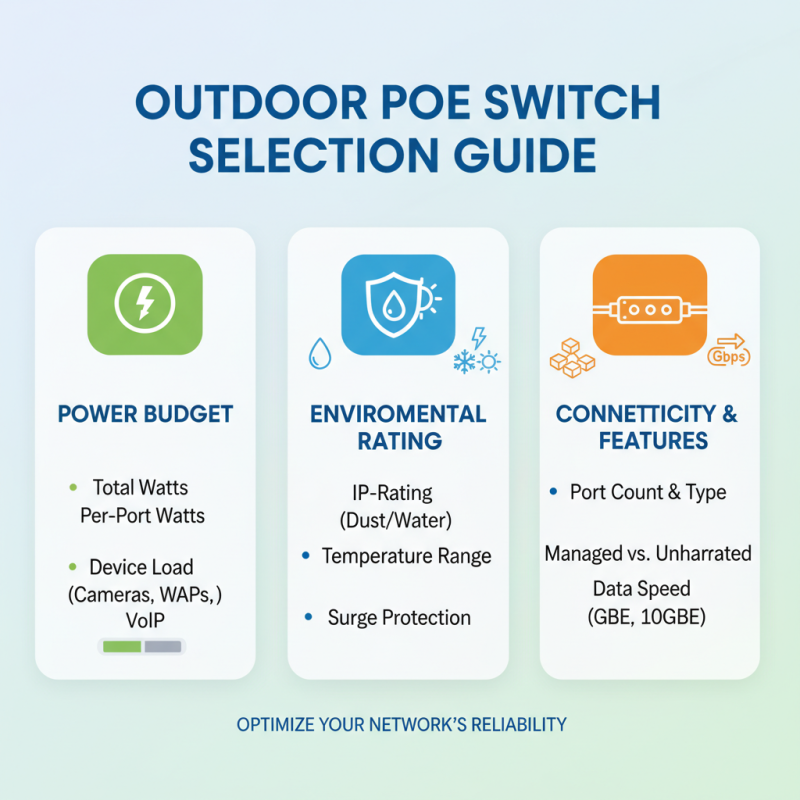
When selecting an outdoor Power over Ethernet (PoE) switch for your network setup, there are several critical factors to consider to ensure optimal performance and reliability. First, assess the power budget of the switch. This refers to the total amount of power that the switch can provide to connected devices. Depending on the number of devices you plan to use, such as IP cameras, wireless access points, or VoIP phones, it's important to choose a switch that can handle the cumulative power requirements without risking overload or outages.
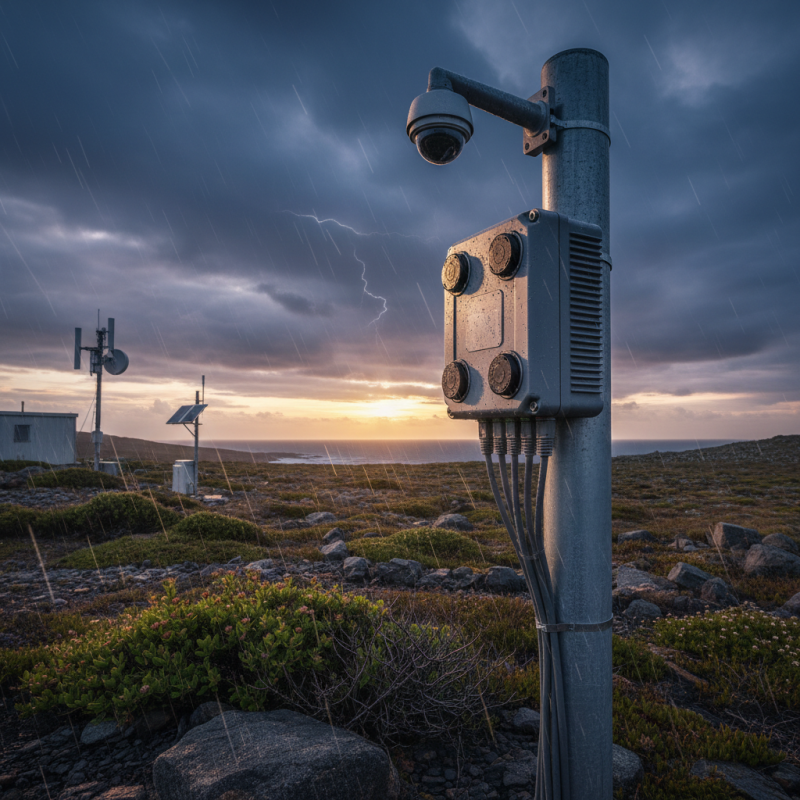
Another crucial factor is the environmental rating of the PoE switch. Outdoor switches must be able to withstand various weather conditions, from heavy rain to extreme temperatures. Look for a switch with a suitable ingress protection (IP) rating that ensures durability against dust and moisture. Additionally, consider the switch's mounting flexibility, ensuring it can be easily installed in your desired location, whether on a pole, wall, or outdoor enclosure. Connectivity options and port speeds are also important; ensure the switch provides sufficient ports with the speeds necessary for your specific applications, enabling efficient data transmission without bottlenecks.
Understanding Power over Ethernet (PoE) Technology
Power over Ethernet (PoE) technology has revolutionized the way we set up network systems, especially for outdoor environments. By allowing both data and electrical power to be transmitted through a single Ethernet cable, PoE simplifies installation and reduces the need for multiple cables or power outlets. This is particularly beneficial for devices such as IP cameras, wireless access points, and VoIP phones, providing an efficient solution for extending network connectivity to remote locations.
When selecting the best outdoor PoE switch for your network, consider the power requirements of your devices. Different PoE standards, such as IEEE 802.3af and 802.3at, deliver varying amounts of power, so ensure that the switch you choose can adequately support your devices' needs.
Tips: Always verify the total power budget of the PoE switch to avoid overloading it. Also, consider the environmental factors where the switch will be installed; IP-rated switches provide better weather resistance, ensuring longevity and consistent performance. Finally, check for features such as management capabilities and PoE scheduling, which can enhance your network’s efficiency and control.
Power over Ethernet (PoE) Technology: Comparison of PoE Standards
This chart illustrates the comparison of different Power over Ethernet (PoE) standards based on their maximum power output and applications.
Evaluating Environmental Conditions for Outdoor Usage
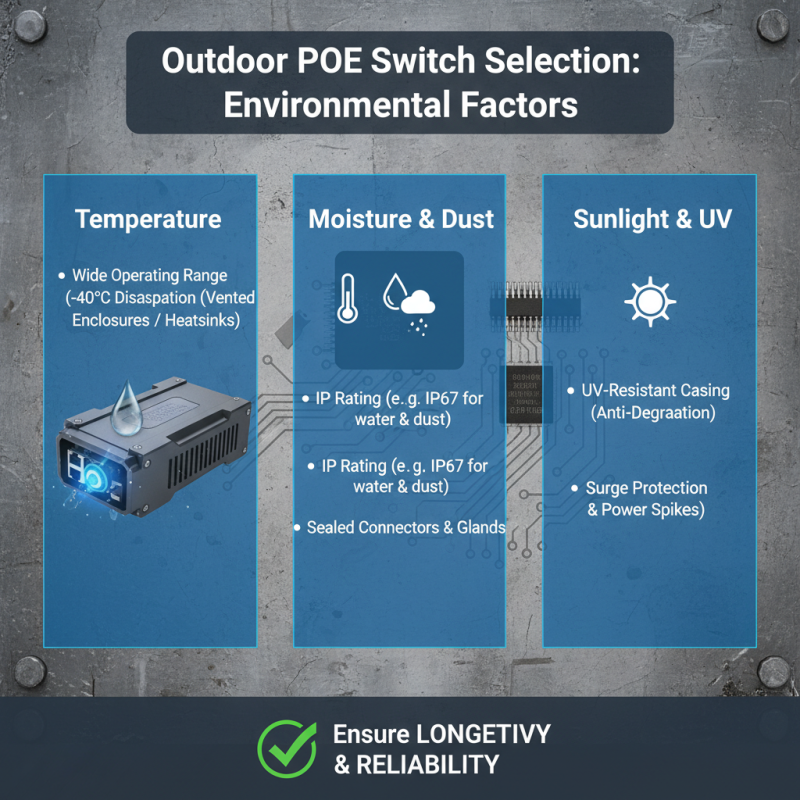
When selecting an outdoor Power over Ethernet (PoE) switch, assessing the environmental conditions is crucial to ensure optimal performance and longevity. Outdoor setups are exposed to various elements such as temperature fluctuations, moisture, and sunlight, all of which can significantly impact the functionality of your network equipment. It is important to choose a switch that is rated for outdoor use, typically classified by Ingress Protection (IP) ratings, to safeguard against dust and water penetration.
Tips: When evaluating temperature ranges, look for PoE switches that can operate in extreme conditions, both hot and cold. Additionally, consider units with built-in thermal protection to prevent overheating during hot summer days.
Moreover, humidity can play a pivotal role in the durability of outdoor equipment. Select switches that feature conformal coating, which provides a protective layer against moisture and other environmental contaminants. Installing your PoE switch within a weatherproof enclosure can also enhance its resilience against heavy rain or snow.
Tips: Regular maintenance is key—check your outdoor switches periodically for any signs of rust or corrosion. This proactive approach can help you address issues before they become critical, keeping your network running smoothly.
Comparing Switch Features: Ports, Speed, and Management Options
When selecting the best outdoor PoE switch for your network setup, comparing features such as ports, speed, and management options is essential. The number of ports is a critical factor, as it determines how many devices you can connect. If you need to support multiple cameras or access points, opt for a switch with enough ports to handle your requirements, while also considering any future expansion needs. Additionally, assess whether you need PoE+ support, which provides higher power levels to connected devices, allowing for more versatile usage.
Speed is another vital aspect to consider. Look for switches that support at least 1 Gbps for optimal performance, especially if you are transmitting high-definition video or managing large amounts of data. It’s also beneficial to check if the switch offers features like link aggregation, enabling multiple connections to increase bandwidth to critical devices.
Tips: Always evaluate the management options available with your potential switch. Managed switches provide more control and monitoring capabilities, making them ideal for complex networks. Features like VLAN support, port mirroring, and remote management can enhance your network’s efficiency and security. Before making a decision, ensure you align the switch capabilities with your specific network requirements to achieve the best results.
Budgeting and Cost Considerations for Poe Switch Purchases
When considering the purchase of a Power over Ethernet (PoE) switch for outdoor network setups, budgeting and cost considerations are paramount. According to a report by MarketsandMarkets, the global PoE switch market is projected to grow from USD 2.4 billion in 2020 to USD 4.3 billion by 2025, reflecting a compound annual growth rate (CAGR) of 12.3%. This growth indicates a rising demand for PoE solutions, driven by the increasing need for efficient network infrastructure that reduces installation costs by combining data and power into a single cable.
When budgeting for a PoE switch, it's crucial to evaluate the specific power requirements of your devices. A typical PoE switch can deliver power ranging from 15.4W (IEEE 802.3af) to 30W (IEEE 802.3at, also known as PoE+) and up to 60W for PoE++ (IEEE 802.3bt). The total number of devices you intend to connect and their respective power consumption will significantly influence the total cost. Furthermore, additional expenses such as installation fees, potential upgrades to cabling or infrastructure, and the need for weatherproof equipment must be factored into the overall budget.
Lastly, it's essential to consider the long-term savings and reliability that a quality PoE switch can offer. While initial costs may be higher, energy-efficient models often result in lower operational costs over time. The International Energy Agency reports that energy-efficient networking equipment can reduce energy consumption by up to 30%, translating to significant savings in electricity bills. Thus, when choosing a PoE switch, a careful assessment of both immediate and future expenses is essential for making an informed and financially sound decision.
How to Choose the Best Outdoor Poe Switch for Your Network Setup - Budgeting and Cost Considerations for Poe Switch Purchases
| Feature |
Description |
Price Range ($) |
| Port Count |
Number of ports available for device connections (e.g., 4, 8, 16, 24) |
100 - 500 |
| Power Budget |
Total power output available for connected devices (in watts) |
50 - 150 |
| Outdoor Rating |
IP rating indicating resistance to water and dust |
N/A |
| Copper vs. Fiber |
Type of cabling supported (copper or fiber optics) |
N/A |
| Management Features |
Availability of L2/L3 management protocols (e.g. SNMP, CLI) |
200 - 800 |
| Warranty |
Length of warranty period offered by the manufacturer |
N/A |