Why Choose a Web Managed Switch for Your Network Needs?
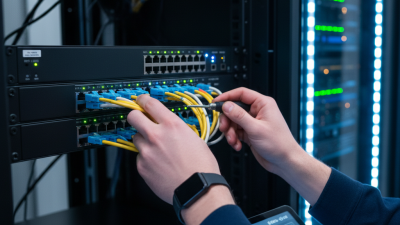
In today's digital landscape, choosing the right network switch is crucial. A Web Managed Switch offers unique advantages for managing network traffic. These devices provide a user-friendly interface for monitoring and controlling the network.
With a Web Managed Switch, you gain flexibility. It allows real-time configuration through a browser. This can simplify adjustments, but not everyone finds it intuitive. Some users may struggle with advanced features, lacking the necessary technical skills.
Monitoring network performance is essential. A Web Managed Switch offers insights into usage patterns and potential issues. These tools can enhance efficiency, yet, if misconfigured, they might lead to downtime. Consider your team's expertise before making a choice.
Benefits of Web Managed Switches for Network Management
Web managed switches offer significant advantages for network management. They provide a level of control that unmanaged switches simply cannot match. For example, businesses can fine-tune their networks to meet specific needs. This capacity is critical in environments where bandwidth is at a premium. According to a recent report, nearly 46% of enterprises face challenges with bandwidth management. Web managed switches help alleviate this issue.
Security is another notable benefit. These switches often include features like VLAN support and access controls. This functionality allows for improved network segmentation. A study indicates that 78% of organizations are more confident in their security posture when using managed switches. With the rise of cyber threats, the need for enhanced security measures is vital. Yet, the complexity of setup can overwhelm some IT teams.
Monitoring and troubleshooting also become easier with web managed switches. Real-time insights into network performance can help identify issues faster. However, some users may overlook the learning curve associated with web interfaces. Understanding these tools fully is crucial for maximizing their potential. A well-managed network does not happen by chance; it requires attention and effort.
Key Features of Web Managed Switches You Should Know
Web managed switches offer a versatile solution for network management. They provide features that support efficient and organized network performance. Here are some key features that stand out.
One important aspect is VLAN support. VLANs allow for better segmentation of network traffic. This improves security and performance. You can prioritize critical data, ensuring smooth operations. It can be complex to set up, but the benefits are clear.
Another feature is QoS (Quality of Service). With QoS, you can manage bandwidth effectively. It ensures important applications receive the necessary speed. Without QoS, less critical applications may slow down the network. Remember, setting this up requires careful analysis of traffic needs.
Tips: Regularly review your settings. Adjust them based on changing demands. Neglecting this can lead to bottlenecks. Also, consider the user experience. Network adjustments should aim to enhance usability across all devices.
Monitoring features are also vital. They provide insights into traffic patterns. Understanding these patterns helps in optimizing performance. However, monitoring can be overwhelming. Ensure your team is trained to interpret the data effectively.
In conclusion, a web managed switch can significantly enhance your network. The key features support scalability, performance, and security. Recognizing their value can guide better decision-making in network management.
Why Choose a Web Managed Switch for Your Network Needs? - Key Features of Web Managed Switches You Should Know
| Feature |
Description |
Benefit |
| VLAN Support |
Enables segmentation of network traffic for improved performance and security. |
Reduces broadcast traffic and enhances security for sensitive data. |
| Quality of Service (QoS) |
Prioritizes network traffic to ensure performance for essential applications. |
Improves user experience for critical applications like VoIP and video conferencing. |
| Port Mirroring |
Allows monitoring of network traffic for troubleshooting or analysis. |
Facilitates effective network management and issue resolution. |
| SNMP Support |
Provides network management capabilities through protocol for monitoring and configuration. |
Simplifies network management and enhances operational efficiency. |
| Web Interface |
User-friendly web GUI for configuration and monitoring. |
Makes it easy to manage network settings without extensive technical knowledge. |
Comparison of Web Managed Switches and Unmanaged Switches
When deciding between web managed switches and unmanaged switches, several factors come into play.
Web managed switches offer more control over network traffic. You can adjust settings like VLANs to segment your network. This capability is crucial for larger networks. It helps improve performance and security.
Unmanaged switches, on the other hand, are more straightforward. They work right out of the box but lack flexibility.
Web managed switches provide monitoring features. These features help you identify issues before they escalate. You can track traffic patterns and identify bottlenecks. This feedback is essential for fine-tuning network performance.
However, these switches can be more complex to configure. Some might find the interface daunting initially. Mistakes in configuration can lead to network problems, requiring careful attention.
In many situations, unmanaged switches are sufficient. They are less expensive and easy to set up. However, if your network will grow or demands change, consider a web managed switch. The extra features may justify the cost.
Sometimes, investing in better technology now can save headaches later. Balancing simplicity and control is key when choosing the right switch for your needs.
How to Choose the Right Web Managed Switch for Your Needs
Choosing the right web managed switch can boost your network performance. Start by assessing your specific needs. Determine how many devices will connect. Consider the types of devices, like printers, servers, or computers. Think about the traffic volume and how much data will flow through your network.
**Tips:** Make a list of current and future devices. This can help you avoid underestimating your requirements.
Next, consider the features you may need. Look for options like VLAN support, QoS settings, and SNMP capabilities. These features can enhance your network management. If you're unsure, consult with colleagues or tech experts. They can provide valuable insights.
**Tips:** Research common features of web managed switches. Compare them to your list. This will clarify your options.
Finally, factor in budget constraints. Higher-end switches offer better features, but they come at a cost. Reflect on what you truly need versus what looks appealing. Ensuring a balance between functionality and investment is crucial.
**Tips:** Don’t rush to purchase. Wait for discounts or bundle offers. This can save money without sacrificing quality.
Network Performance Comparison for Web Managed Switches
Common Use Cases for Web Managed Switches in Various Industries
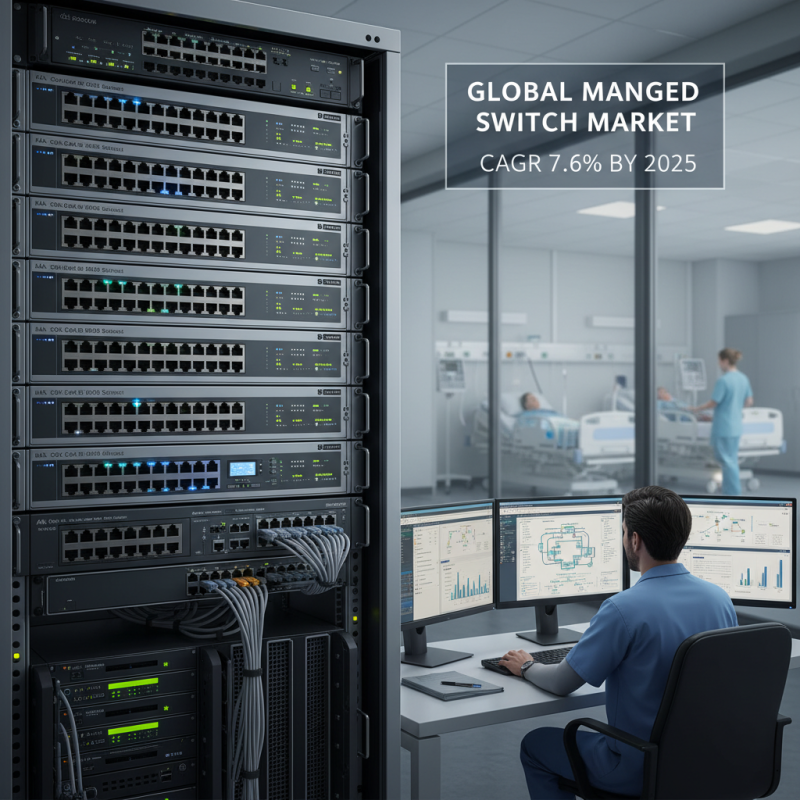
Web managed switches have become a crucial asset in various industries. They offer flexibility and control that unmanaged switches lack. For example, in healthcare, a hospital might deploy these switches to manage data from numerous medical devices. It allows seamless communication for real-time patient monitoring. A report by MarketsandMarkets indicates that the global managed switch market is expected to grow at a CAGR of 7.6% by 2025.
In manufacturing, web managed switches facilitate automation. They connect machines, sensors, and cameras on the factory floor. This connection leads to improved operational efficiency. A study by Gartner shows that 45% of manufacturing companies are now investing in IoT technologies, highlighting the need for reliable network infrastructure.
Tips: Always assess your bandwidth needs. Scalability is another critical factor. Select a switch that can grow with your demands. Keeping firmware updated is essential for security and performance.
For retail, web managed switches can enhance customer experience. They enable reliable Wi-Fi connectivity for point-of-sale systems. However, complexity can arise as the network grows. Balancing performance with ease of management requires careful consideration.