How to Choose the Best Gigabit Switch for Your Network?
In today’s digital landscape, selecting the right Gigabit Switch can significantly enhance your network performance. This device ensures high-speed data transfer and connectivity across various devices. A recent report by the International Data Corporation (IDC) reveals that Gigabit Switches are projected to dominate the market, with expected growth rates of around 8% annually through 2025.
According to networking expert John Smith, “Investing in a reliable Gigabit Switch is crucial for future-proofing your network infrastructure.” His insight resonates particularly with businesses increasingly reliant on efficient data management. Gigabit Switches offer the bandwidth necessary to support growing demands from cloud applications and remote work setups. This market requires a careful evaluation of factors such as port count, speed, and overall reliability.
However, navigating this selection process is not without its challenges. Each network environment has unique demands that may complicate choosing the best Gigabit Switch. One must consider scalability, energy efficiency, and future upgrades. A hasty decision can lead to performance bottlenecks, which can hurt productivity. Understanding these intricacies is vital for making an informed choice in the ever-evolving networking landscape.
Understanding the Basics of Gigabit Switches and Their Functionality
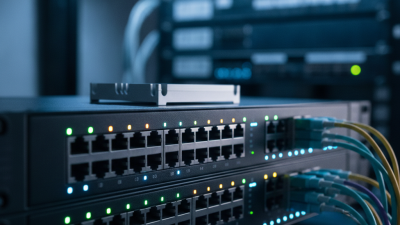
Understanding gigabit switches is essential for optimizing your network. A gigabit switch acts as a central connection point for devices, allowing them to communicate at high speeds. It manages data packets between connected devices efficiently. This network device enhances the overall performance, especially in environments with heavy data traffic.
When selecting a gigabit switch, consider its features. Port count matters. More ports mean more devices can connect. Power over Ethernet (PoE) capabilities might be vital too. PoE simplifies networking by eliminating extra power cables for certain devices. Additionally, check if the switch supports VLANs. This feature allows better traffic management and security.
Gigabit switches come in different types. Managed switches offer advanced features for network control. On the other hand, unmanaged switches are simpler. They require less setup. However, opting for a managed switch might be a valuable investment for future network growth. Sometimes, it’s easy to underestimate the importance of these devices, but their role is critical. Reflecting on your network’s needs is crucial for making the right decision.
Identifying Your Network's Specific Requirements for a Switch
When selecting a gigabit switch for your network, it’s essential to understand your specific requirements. The number of devices connected to your network can significantly determine the switch type needed. For instance, small offices may only require 8 to 16 ports, while growing businesses may need 24 or more. According to a recent industry report, 70% of IT professionals believe scalability is crucial for future-proofing their networks.
Tips: Evaluate the bandwidth usage. High traffic environments demand switches with robust performance capabilities, such as load balancing and high throughput.
Consider the features you need. Managed switches offer more control and monitoring, which can be beneficial for complex networks. Many organizations report that up to 60% of downtime is linked to poor network management practices. A managed switch helps mitigate that risk.
Additionally, reflect on your future plans. Planning for growth is vital. Choose a switch that can adapt to increased demands. Look for options that support advanced technologies like VLAN tagging and QoS. According to research, only 30% of businesses regularly assess their network's capacity, leading to inefficiencies.
How to Choose the Best Gigabit Switch for Your Network
| Feature |
Description |
Importance Level |
| Port Count |
Number of ports available on the switch |
High |
| Managed vs Unmanaged |
Type of management features available |
Medium |
| Layer 2 vs Layer 3 |
Whether the switch operates at Layer 2 (data link) or Layer 3 (network) |
High |
| Power over Ethernet (PoE) |
Ability to power devices like IP cameras and access points |
Medium |
| Quality of Service (QoS) |
Prioritization of traffic for better performance |
High |
| Price Range |
Cost of the switch in relation to features offered |
Medium |
| Warranty |
Length and terms of warranty offered |
Low |
Comparing Different Types of Gigabit Switches: Managed vs. Unmanaged
When selecting a gigabit switch, the debate between managed and unmanaged options is significant. Unmanaged switches are simpler and more cost-effective. They require no configuration, making them ideal for basic networking needs. Typically, they provide plug-and-play functionality. According to industry data, about 60% of small businesses opt for unmanaged switches due to their ease of use.
Managed switches offer features that can enhance network performance and security. They allow for custom configurations, VLAN setups, and monitoring capabilities. This flexibility is crucial for larger organizations with complex network demands. Data from research firm IDC indicates that around 30% of enterprises choose managed switches to optimize their network infrastructure.
However, the additional features of managed switches come with increased complexity. IT teams must invest time in training and configuration. Some organizations struggle with the learning curve, which can hinder initial performance. Evaluating the specific needs of your network is essential. Understanding the potential trade-offs can guide you toward the right solution for your environment.
Evaluating Key Features and Specifications of Gigabit Switches
When selecting a gigabit switch, understanding the specifications is crucial. The number of ports is a key factor. More ports offer greater flexibility for connecting devices. Look for a model that has at least 8 to 24 ports. This allows for future expansion if needed.
Speed capabilities matter too. Most gigabit switches support speeds of up to 1000 Mbps. However, check for features like Quality of Service (QoS). QoS prioritizes important traffic, ensuring your video calls and online gaming run smoothly.
Tips: Always consider your network’s layout. An unmanaged switch is simple, while a managed switch offers more control over traffic flow. Evaluate your specific needs before making a choice. Don't rush into a decision; think about future growth.
Finally, think about power consumption. Energy-efficient models can save money in the long run. Look at the total cost of ownership—not just the initial price. A well-rounded solution will benefit your network.
Budget Considerations: Finding the Right Price for Your Needs
When selecting a gigabit switch, budget is a critical factor. Understand your needs before committing to a price. A good switch is not just about speed; it also needs to fit your financial constraints. Prices can vary widely. You may find models that cost less than $50 or those that exceed $300. Selecting the right one requires careful evaluation of features versus costs.
Consider how many devices you plan to connect. If you have only a few devices, a less expensive switch may suffice. However, larger networks may require more advanced features. Think about potential future upgrades. You might save short-term, but will you need to replace it soon? Reflect on your long-term goals.
Don’t forget to check for value-added aspects beyond price. Look for warranties or customer service options. Sometimes, higher-priced switches offer better support. This can make a significant difference. Weigh your options carefully, and don't hesitate to ask for advice from tech professionals. Being cautious now can lead to better investment decisions later.