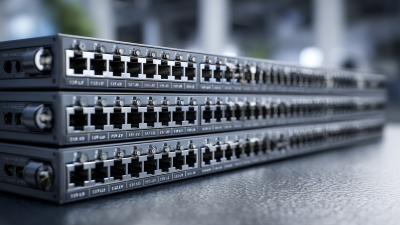
2026 How to Choose the Best Industrial Managed Poe Switch?
Choosing the right Industrial Managed PoE Switch can be challenging. Many factors come into play, from technical specifications to budget constraints. This decision impacts network efficiency and reliability. Understanding the key features of these switches is essential for making an informed choice.
When evaluating an Industrial Managed PoE Switch, consider the power requirements first. An appropriate power budget ensures all connected devices function optimally. Pay attention to the port configuration as well. Different applications may require various setups to meet specific needs.
Don't overlook the importance of brand reputation and support services. Industry leaders often provide better warranties and technical assistance. Read reviews and seek recommendations to gauge product reliability. Ultimately, the right switch can enhance your network's robustness, but it requires careful consideration.
Understanding Power over Ethernet (PoE) Technology
Power over Ethernet (PoE) technology simplifies network infrastructure by delivering both data and power through a single cable. This reduces the need for additional power sources, making installations cleaner and more efficient. According to industry reports, PoE-enabled devices are projected to grow by over 20% annually, driven by rising demand in smart building technologies and IoT applications. The convenience of PoE extends to numerous devices, including IP cameras, Wi-Fi access points, and VoIP phones.
When selecting an industrial managed PoE switch, consider its power budget. This aspect is crucial since multiple devices will typically share the same power supply. A switch with a higher PoE output can support more devices without risking downtime. For instance, properly assessing your power requirements will help to avoid overloading. Ensure the switch's total power delivery aligns with the number and type of connected devices.
Choose a switch that provides network management features. Such features enhance control over power distribution and allow for troubleshooting. Be mindful that some managed switches can be more complex. Understanding the user manual and features is essential for optimal use. Regular updates and patches for your switch may be necessary to maintain security and performance.
Key Features to Look for in Industrial Managed PoE Switches
When choosing an industrial managed PoE switch, several key features deserve attention. One major aspect is the power budget. A switch needs sufficient power to support connected devices, like cameras and access points. Look for models that provide flexibility in power allocation. The ability to adjust power settings can enhance energy efficiency and functionality.
Network management capabilities are also crucial. A good PoE switch should offer a user-friendly web interface. Advanced management features such as VLAN support and QoS settings can greatly improve network performance. Consider whether the switch allows remote monitoring. This capability helps in troubleshooting and maintaining optimal network health.
Another critical factor is durability. Industrial switches must withstand harsh environments. Check for certifications like IP ratings, which indicate resistance to dust and moisture. Additionally, temperature ranges should align with the installation environment to prevent failures. Investing time to evaluate these features will lead to better long-term performance.
Assessing Network Requirements for Optimal PoE Switch Selection
When selecting an industrial managed PoE switch, assessing your network's requirements is crucial. Start by identifying the number of devices that need power over Ethernet. Consider cameras, access points, and other devices that require PoE. Each device will draw different power levels. Ensure your switch can accommodate peak power requirements.
Understand the network's bandwidth. If you have multiple devices transmitting heavy data, a switch with higher capacity is essential. Managed switches offer advanced features for traffic handling. Look for options that allow you to prioritize traffic or segregate different devices into VLANs for better management.
Evaluate environmental factors that may affect the switch's performance. Industrial environments can expose devices to dust, moisture, and extreme temperatures. Make sure the switch has the appropriate ratings for its location. This can prevent premature failure. Reflect on your future needs as well. Scalability is vital as your network may grow over time.
Check compatibility with existing infrastructure. Not all devices work seamlessly together. Misalignments can lead to inefficiencies. Always document your requirements to maintain a clear overview. Your decision should not only meet current needs, but also prepare for future expansions.
Evaluating Brand Reliability and Customer Support for PoE Switches
When selecting industrial managed PoE switches, evaluating brand reliability is crucial. Research shows that 70% of customers prioritize brand reputation when making purchasing decisions. A reliable brand often provides substantial quality assurance, which is essential in industrial environments where performance matters. Reports indicate that manufacturers with consistent customer satisfaction ratings tend to have lower failure rates, which can enhance confidence in your investment.
In addition to reliability, customer support is a key factor. A survey found that 65% of users prefer brands with accessible customer service. This aspect is vital, especially when troubleshooting issues arises. Fast response times can significantly minimize downtime in critical operations. Moreover, brands that offer comprehensive documentation and technical resources often rank higher in customer loyalty.
However, it's important to reflect on the limitations of brand trust. Not all well-known brands guarantee superior performance. Some lesser-known manufacturers may provide comparable or even better products for specific needs. Regularly reviewing customer feedback and performance data can uncover such insights. Balancing brand reliability with performance metrics leads to informed purchasing decisions.
Cost-Benefit Analysis: Choosing the Right Industrial Managed PoE Switch
When selecting an industrial managed PoE switch, performing a cost-benefit analysis is essential. This process helps to understand the expenses involved versus the potential benefits gained. It's important to consider the initial purchase price, installation costs, and ongoing maintenance expenses. Higher upfront costs might seem daunting, but they can lead to better performance and reliability over time.
Analyzing your specific needs is key. Think about how many devices you will connect. Evaluate the types of devices too, as some may require more power and better bandwidth. The efficiency of the switch can greatly impact your overall operations. A poorly chosen switch can lead to failures, downtime, or increased operational costs.
Lastly, assess the long-term value. A switch with a higher price tag might offer features that save money in the long run. Look for options that allow for scalability. It's also beneficial to consider the warranty and support offered. These factors contribute to overall reliability, making the switch a worthwhile investment.
Cost-Benefit Analysis of Industrial Managed PoE Switches
This chart illustrates a cost-benefit analysis of various key features when choosing an industrial managed PoE switch. Higher scores indicate a greater emphasis on that feature's importance based on cost and reliability.