How to Choose the Right Outdoor Poe Switch for Your Needs?
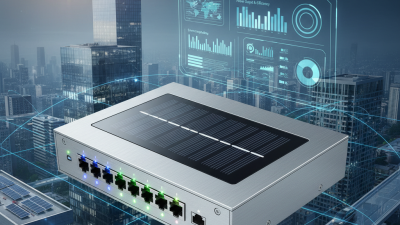
Choosing the right Outdoor Poe Switch can significantly impact your network performance. With various options available, it’s easy to get overwhelmed. These switches power devices and provide data connections simultaneously. They are essential for outdoor installations, like security cameras or access points.
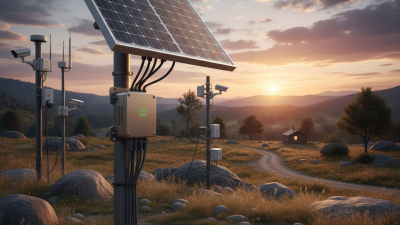
When selecting an Outdoor Poe Switch, consider your specific needs. Think about the number of devices you'll connect. Evaluate the power requirements of each device. Outdoor conditions can be unpredictable, so durability and weather resistance are crucial. While some switches boast high power outputs, they may not suit every application.
Reflection is important in this process. Are you prioritizing power, or is data speed more critical? Sometimes, a balance is necessary. There’s no perfect solution, and your choice may involve trade-offs. Ultimately, the right Outdoor Poe Switch should align with your unique requirements and operational environment.
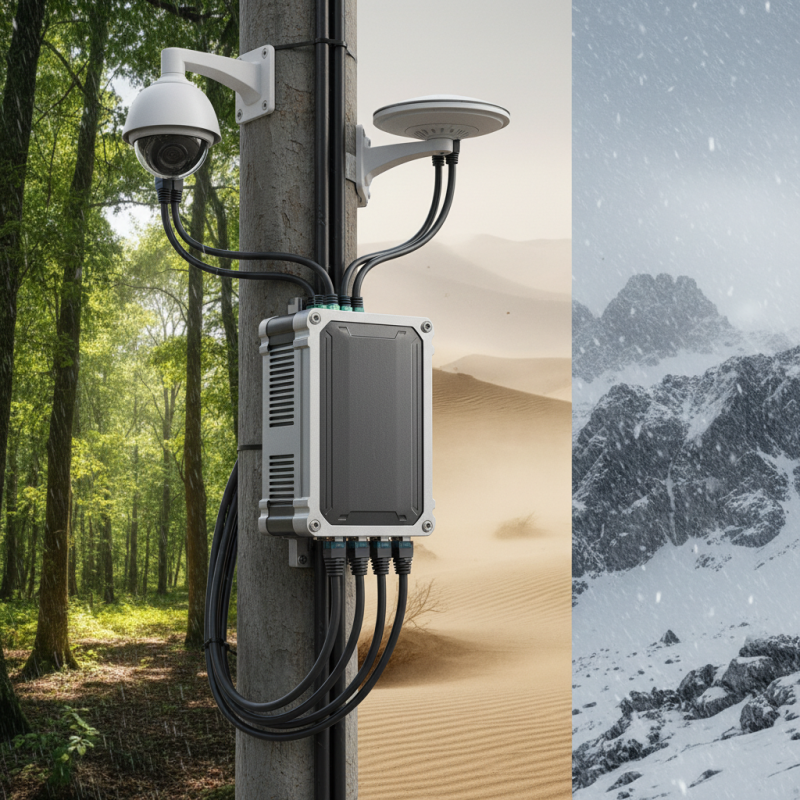
Understanding Power over Ethernet (PoE) Technology Basics
Power over Ethernet, or PoE, is a technology that provides both data and electrical power over Ethernet cables. This innovation simplifies the installation of devices like security cameras and access points. Instead of needing separate power supplies, you can use a single cable. It’s convenient, especially in outdoor settings.
Understanding the basics of PoE is crucial before making a decision. There are different classes of PoE devices. Each class has a specific power output. For example, a lower class might suffice for simple devices. However, high-demand devices may require more power. Knowing the power needs of your devices helps in selecting the right PoE switch. Along with power, consider the range of the cables. Cables can degrade over long distances, which might affect performance.
Choosing the right outdoor PoE switch isn’t just about power. Environmental factors also play a role. Outdoor switches need to withstand weather conditions. Look for switches rated for outdoor use. They should also have the necessary port count to meet your device's needs. Balancing these factors can require reflection on current and future network needs. Making an informed choice ensures your setup runs smoothly without unexpected failures.
Evaluating Your Outdoor Device Power Requirements
When evaluating your outdoor device power requirements, consider the total wattage needed for all connected devices. Research shows that outdoor devices, like security cameras and access points, often require more power due to their operational demands. For instance, an average outdoor IP camera typically consumes about 10-15 watts. This range can increase based on features like night vision and higher resolutions.
It's crucial to account for future expansion. If you're planning to add more devices down the line, you should choose a PoE switch with a higher power budget. A recent industry report highlighted that 45% of users under-evaluate power needs, leading to outages or device failures. Understanding the total power draw prevents system malfunctions and ensures reliable operation.
Weather conditions also play a significant role in power requirements. Devices might use more energy in extreme temperatures. For example, some heaters integrated into devices may draw an additional 5-10 watts. Lack of consideration for environmental factors can lead to inefficiencies. Always review device specifications thoroughly to determine individual and collective power needs. This approach is necessary for a seamless outdoor network setup.
Power Requirements of Outdoor Devices
Assessing Environmental Factors for Outdoor PoE Switches
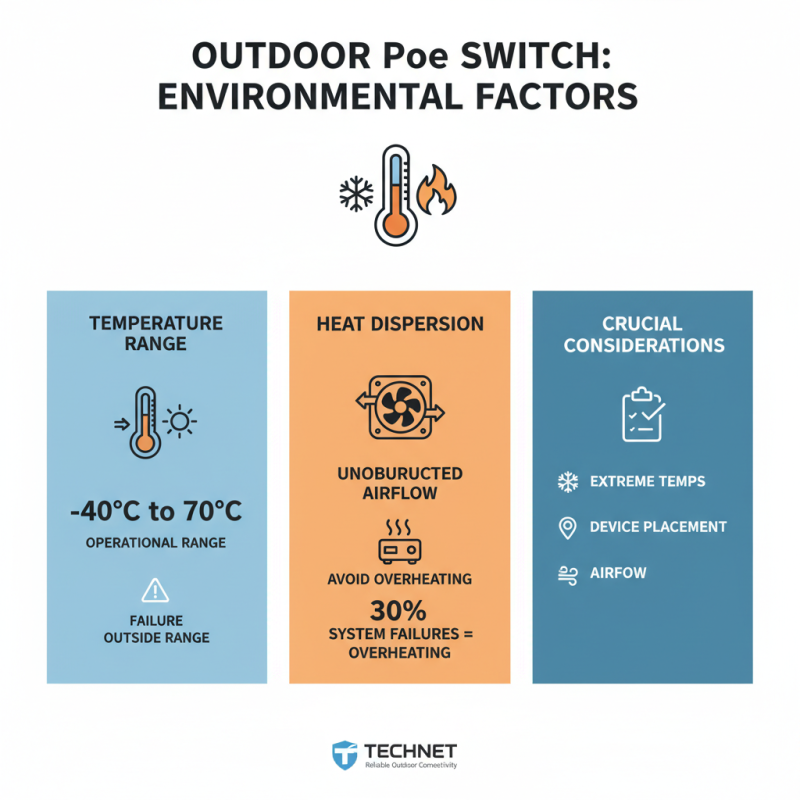
When selecting an outdoor PoE switch, environmental factors play a crucial role. Extreme temperatures can affect performance. Many PoE switches have a specified operational range, often between -40°C to 70°C. Devices outside this range may fail. According to industry studies, 30% of system failures are tied to overheating. It's crucial to consider heat dispersion. Devices should be placed where airflow is unobstructed.
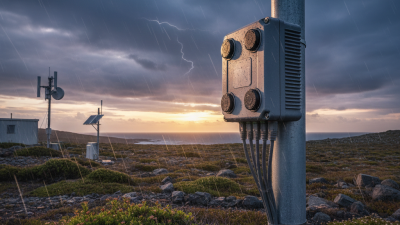
Moreover, weather conditions are significant. Rain, snow, or humidity can affect switches. Look for switches with IP ratings. An IP67 rating, for example, indicates dust-tight and water-resistant capabilities. A report from the Environmental Protection Agency shows that moisture-related issues result in nearly 20% of outdoor equipment failures. Missing these details can be costly.
Also, think about other factors like UV exposure. Continuous sunlight can weaken materials over time. Research indicates that UV exposure can degrade some plastics by 30% within a few years. That degradation may compromise device integrity. Evaluating these parameters ensures you’re making a well-informed choice to enhance longevity and avoid operational disruptions.
Comparing Different Types of Outdoor PoE Switches
When selecting an outdoor PoE switch, it is essential to compare different types available on the market. Outdoor PoE switches generally come in managed and unmanaged variations. Managed switches offer advanced features like VLANs and Quality of Service. Unmanaged switches are simpler and usually less expensive. According to a 2023 industry report, roughly 68% of businesses prefer managed solutions for better network control.
Another factor to consider is durability. Some switches are rated for extreme weather conditions, while others are not. For instance, IP67-rated switches can endure heavy rain and dust. This rating is vital for outdoor deployments, as it ensures longevity. A 2022 survey revealed that 45% of users reported failures due to inadequate weather resistance.
Power budget is also crucial. Depending on your needs, some switches can deliver up to 30 watts per port. This capacity is essential for devices like security cameras and Wi-Fi access points. However, only 30% of users understand their power requirements before purchasing. Poor planning can lead to insufficient power supply and network downtime. Make sure to assess your devices' needs before choosing a switch.
Determining Budget and Long-term Cost Considerations
When choosing an outdoor PoE switch, budget and long-term costs are essential considerations. The upfront cost of a reliable outdoor PoE switch can vary significantly. According to a 2021 report by the Telecommunications Industry Association, prices may range from $150 to $1,200 per unit, depending on features and capacity. A lower price might appeal to short-term budgets, but can lead to higher maintenance costs later. This could result from frequent replacements or limited functionality.
Long-term cost considerations can impact your overall spending. A durable outdoor switch may incur a higher upfront price, with an average lifespan of 5 to 7 years. In contrast, cheaper devices may last only 2 to 3 years, ultimately increasing total costs. A study from the International Data Corporation revealed that companies often underestimate over 30% of hidden costs associated with frequent replacements. Such hidden costs include installation, downtime, and additional equipment needed due to failures.
Think about energy consumption as well. Energy-efficient models can save $50-$100 per year on electricity bills. However, some low-cost options might consume more energy. This can counteract initial savings. Reflect on these factors to make the best long-term choice for your outdoor infrastructure.
How to Choose the Right Outdoor Poe Switch for Your Needs? - Determining Budget and Long-term Cost Considerations
| Feature |
Basic Model |
Mid-range Model |
Premium Model |
| Port Count |
4 |
8 |
16 |
| Power Budget (W) |
60 |
120 |
240 |
| Weather Resistance Rating |
IP65 |
IP67 |
IP68 |
| Management Features |
Unmanaged |
Managed |
Smart Managed |
| Price Range ($) |
$100 - $150 |
$200 - $350 |
$400 - $700 |
| Warranty (Years) |
1 |
2 |
5 |