What is an IP67 Poe Splitter and How Does it Work?
In today's rapidly evolving tech world, the demand for reliable and efficient power solutions is ever-growing. The IP67 Poe Splitter has emerged as a vital component in this landscape. It combines Power over Ethernet (PoE) capabilities with a rugged design, making it ideal for outdoor and harsh environments. This device ensures a stable power supply while simultaneously delivering data connectivity.
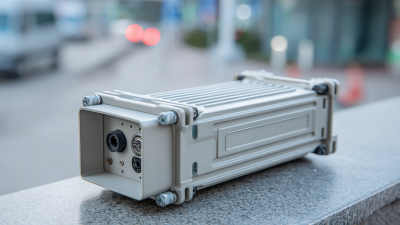
Understanding how the IP67 Poe Splitter works can significantly enhance your tech setup. This splitter is designed to separate power and data from a single Ethernet cable. It allows devices like IP cameras and access points to function effectively, regardless of their location. With its weatherproof housing, the IP67 Poe Splitter provides peace of mind against moisture and dust intrusion.
While it may seem straightforward, the implementation of an IP67 Poe Splitter requires careful consideration of your specific needs. Factors like installation location and device compatibility must be addressed. This discerning approach can lead to enhanced performance and reliability in your network infrastructure. Embracing such technology allows for innovation, but understanding its nuances is essential for optimal results.
Introduction to IP67 Poe Splitters and Their Importance
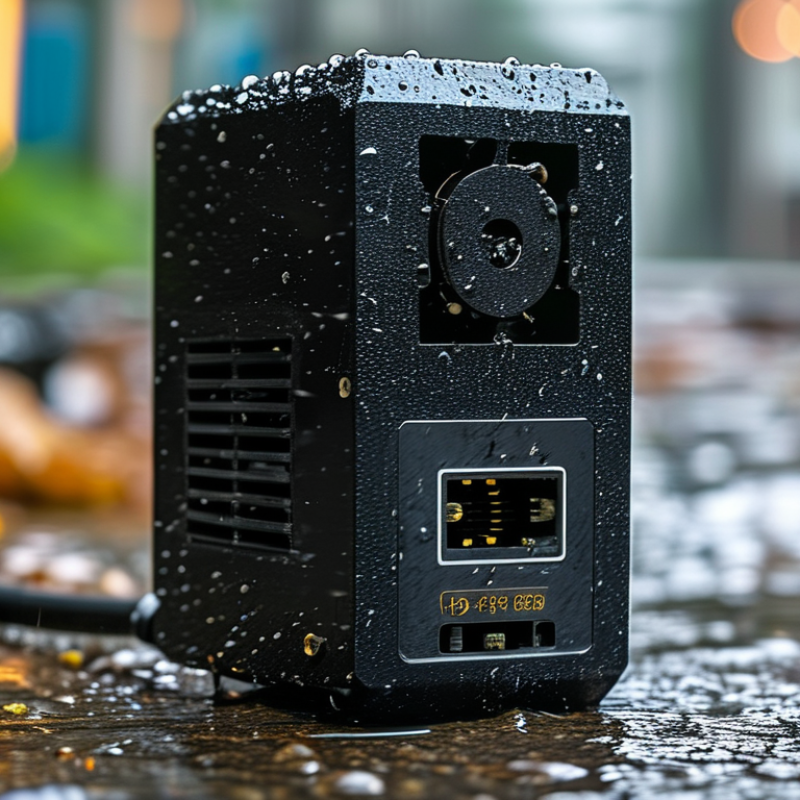
IP67 PoE splitters play a crucial role in modern networking solutions, especially in outdoor and industrial settings. These devices convert Power over Ethernet (PoE) signals into separate data and power outputs. The IP67 rating signifies resistance to dust and immersion in water, making them suitable for harsh environments. According to industry reports, the global PoE market is projected to grow at a CAGR of 15.6% from 2021 to 2028, highlighting the increasing demand for robust networking equipment.
The significance of IP67 PoE splitters is evident in surveillance systems and smart city applications. These splitters facilitate uninterrupted power supply, ensuring that security cameras and IoT devices operate continuously. A report from the International Data Corporation (IDC) indicates that 60% of network downtime results from power issues. By utilizing IP67 PoE splitters, businesses can mitigate the risks associated with power outages in critical installations.
However, reliance on PoE technology brings challenges. Not all devices are compatible with PoE, and installation may require specialized knowledge. Additionally, while IP67-rated devices resist water and dust, their effectiveness can diminish over time if not properly maintained. Regular checks for wear can enhance longevity. Addressing these concerns is vital for effective network design and management, ensuring sustainable and reliable performance in diverse applications.
Understanding the Concept of Power over Ethernet (PoE)
Power over Ethernet (PoE) is a technology that enables the transmission of both data and power over a single Ethernet cable. This innovation has changed how devices connect to networks. PoE simplifies installation by eliminating the need for separate power supplies. It supports various devices like security cameras, VoIP phones, and wireless access points. It's efficient and cost-effective, especially in hard-to-reach areas.
Understanding PoE begins with its operation. It uses specific standards to deliver power safely. This typically involves two main types of PoE: IEEE 802.3af and IEEE 802.3at. The former can provide up to 15.4 watts, while the latter offers 30 watts. Nevertheless, not every device is compatible with all types. Users need to be aware of these specifications and plan accordingly.
When dealing with PoE, a PoE splitter can be a useful tool, especially in non-PoE devices. It separates power and data, typically for devices needing lower power inputs. This can be crucial for setups where traditional power sources aren't feasible. Users might find the integration challenging at times, needing careful planning to avoid potential issues. Understanding these aspects of PoE enhances overall network efficiency and reliability.
Key Features and Specifications of IP67 Poe Splitters
IP67 PoE splitters are essential devices for various applications that require Power over Ethernet (PoE) connections. The "IP67" rating indicates that these splitters are dust-tight and can withstand immersion in water up to 1 meter for 30 minutes. This durability makes them suitable for outdoor use. One key feature is their ability to separate power and data, allowing devices like cameras and sensors to operate efficiently in challenging environments.
Another important specification is the input and output power capacity. Most IP67 PoE splitters can handle PoE standards up to 30W, ensuring stable performance of connected devices. They typically provide both 802.3af and 802.3at compatibility. This flexibility allows users to connect various equipment seamlessly. Furthermore, the installation process is straightforward, often requiring no special tools. Despite their robust design, potential users should verify compatibility with specific devices for optimal performance.
The materials used in fabricating these splitters often include hardened plastic or aluminum. They may also feature LED indicators for easy monitoring. However, though many models advertise high efficiency, variations in real-world connectivity can occur. Users should keep this in mind during setup. Evaluating specific needs and environments could enhance the effectiveness of the chosen splitter.
Power over Ethernet (PoE) Splitter Performance Comparison
This chart depicts the key specifications of an IP67 PoE splitter, including input voltage, output voltage, maximum output current, and data rate. These features highlight the splitter's ability to deliver power and data through a single cable while being protected against water and dust.
How IP67 Poe Splitters Operate in Various Environments
IP67 Poe splitters are designed to operate seamlessly in challenging environments. They are particularly valuable in settings where dust and moisture present serious risks. According to a report by the International Electrotechnical Commission (IEC), around 30% of electronic device failures stem from environmental factors. This highlights the significance of using protective equipment like IP67 Poe splitters.
In outdoor installations, reliable power and data delivery is essential. IP67 PoE splitters can withstand rain, humidity, and extreme temperatures. For instance, data from the Environmental Protection Agency (EPA) indicates that improperly shielded devices can fail even at moderate humidity levels. A typical IP67 design provides a protective seal, preventing water ingress and prolonging the device's lifespan.
Moreover, industrial facilities often expose devices to harsh conditions. Reports from the National Institute of Standards and Technology (NIST) emphasize the reduced failure rates of equipment using IP67-rated components. This reliability translates to better performance in environments like warehouses and factories, where dust and moisture are prevalent. Adopting such technology can lead to significant operational efficiencies and lower maintenance costs.
Applications and Benefits of Using IP67 Poe Splitters
IP67 Poe splitters are becoming essential in various fields due to their robust performance under challenging conditions. They provide power and data to devices like IP cameras and wireless access points, all while ensuring protection against dust and water. This makes them ideal for outdoor scenarios or harsh industrial environments. According to a recent industry report, the global market for PoE technology is expected to grow by over 20% annually, highlighting the increasing reliance on effective connectivity solutions.
One significant advantage of using IP67 Poe splitters is their flexibility. They can be installed in inaccessible or exposed locations, ensuring devices remain operational regardless of environmental factors. This flexibility is vital, especially in security systems where uptime is crucial. Moreover, studies indicate that integrating PoE technology can reduce installation costs by nearly 30%. This cost efficiency is attractive for businesses aiming to maximize resources while maintaining reliability.
However, challenges exist. Not all environments are suitable for PoE equipment, and incorrect installations may lead to failures. It is important to conduct thorough assessments before deployment. Proper planning can mitigate risks, ensuring that devices perform optimally. Understanding the specific needs of each application will ultimately lead to better results and less frustration in the deployment process.