What is L2 Managed Poe Switch and How Does it Improve Network Efficiency
In today's rapidly evolving digital landscape, efficient network management is paramount for businesses aiming to maintain seamless connectivity and enhance operational productivity. One solution that has emerged as a critical component in network infrastructure is the L2 Managed Poe Switch. This innovative technology not only simplifies the management of network data but also plays a vital role in power distribution for connected devices. By integrating Power over Ethernet (PoE) capabilities, the L2 Managed Poe Switch enables a streamlined approach to powering devices such as IP cameras, VoIP phones, and wireless access points, reducing the need for separate power sources.
The significance of the L2 Managed Poe Switch lies in its ability to improve network efficiency through advanced management features. Unlike unmanaged switches, L2 managed variants offer extensive monitoring options and traffic management capabilities, allowing network administrators to optimize performance and troubleshoot potential issues proactively. This enhanced control over data flow and power supply not only ensures the reliability of network connections but also contributes to energy savings, making it a sustainable choice for modern enterprises. As organizations continue to seek ways to bolster their infrastructure, understanding the benefits of L2 Managed Poe Switches becomes essential for achieving a robust and efficient network environment.
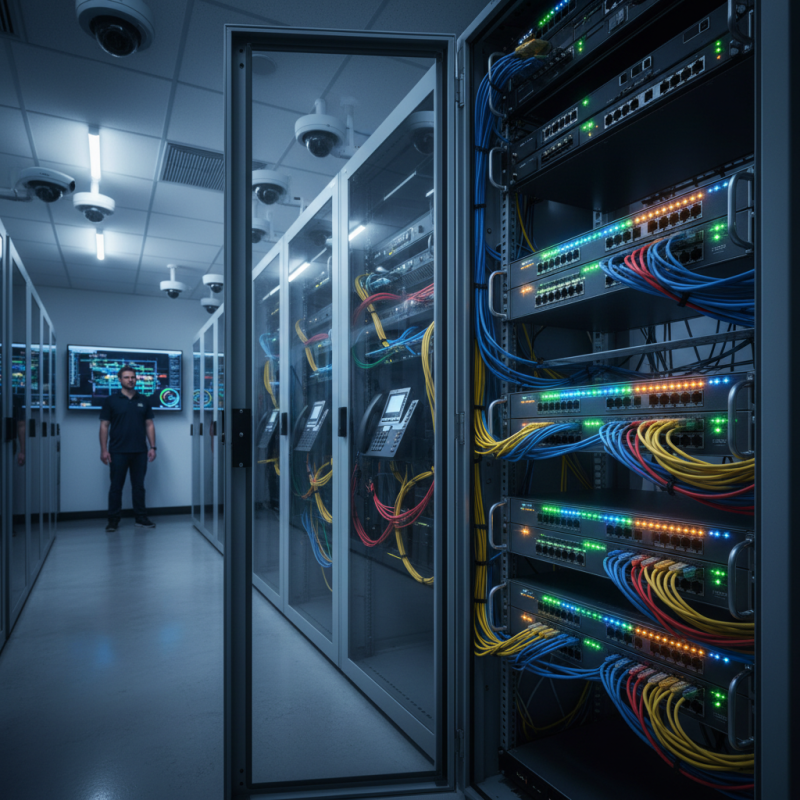
What is an L2 Managed PoE Switch?
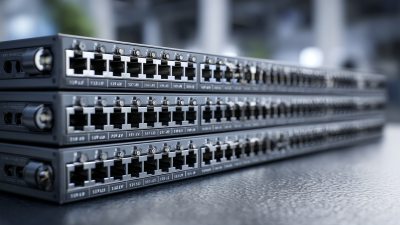
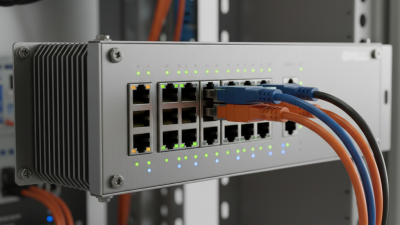
An L2 Managed PoE Switch, or Layer 2 Managed Power over Ethernet Switch, is an essential component for modern networking environments that require robust connectivity and power management. These switches operate on the Data Link Layer and are designed to efficiently manage and distribute both data and electrical power over Ethernet cables. This capability allows devices such as IP cameras, VoIP phones, and wireless access points to receive power directly from the switch, eliminating the need for separate power supplies and reducing cable clutter.
The L2 Managed aspect refers to the switch’s ability to be configured and monitored through a management interface, providing network administrators with detailed control over the network. Administrators can configure settings such as VLANs, quality of service (QoS), and port management to enhance performance and security. This level of management not only helps in streamlining operations but also facilitates troubleshooting, ensuring that network issues can be identified and resolved quickly. By providing both power and data connectivity while allowing for advanced network management, L2 Managed PoE Switches significantly improve network efficiency and reliability.
What is L2 Managed PoE Switch and How Does it Improve Network Efficiency?
| Feature |
Description |
Benefit |
| Managed Capability |
Allows for configuration and monitoring of the switch |
Enhanced control over network settings |
| Power over Ethernet (PoE) |
Provides power to devices through Ethernet cables |
Reduces the need for separate power supplies |
| Traffic Management |
Supports VLANs and QoS for better data flow |
Optimizes network performance and reliability |
| Monitoring and Reporting |
Provides insights into network performance |
Helps with proactive issue resolution |
| Scalability |
Easily integrates with additional devices |
Supports future network growth |
Key Features of L2 Managed PoE Switches
L2 managed PoE (Power over Ethernet) switches are essential components in modern network infrastructures, designed to enhance network efficiency and simplify device management. One of the key features of these switches is their ability to provide both data and power over a single Ethernet cable, reducing the need for separate power supplies and minimizing cable clutter. This capability not only streamlines installation but also lowers operational costs, as reported by the International Data Corporation (IDC), which estimates that organizations can save up to 30% on installation costs by utilizing PoE technology.
Another significant feature of L2 managed PoE switches is the granular control they offer network administrators. Through advanced management interfaces, administrators can monitor power consumption, prioritize power distribution, and remotely manage devices such as IP cameras and VoIP phones. According to a report by MarketsandMarkets, the demand for managed PoE switches is projected to grow at a compound annual growth rate (CAGR) of 11.2% from 2023 to 2028, reflecting a rising acknowledgment of the operational flexibility and enhanced security that these switches provide. This level of control helps mitigate the risk of power surges while ensuring that critical devices maintain connectivity, which is crucial in today’s digitally driven environments.
Additionally, L2 managed PoE switches offer features such as VLAN support and Quality of Service (QoS) settings, enabling better traffic management and improved bandwidth allocation. A report by Cisco highlights that organizations implementing smart network solutions, including managed switches, have experienced up to 40% improvements in network performance metrics, including latency and packet loss. As businesses continue to expand their reliance on interconnected devices, the need for reliable and efficient network solutions like L2 managed PoE switches becomes increasingly apparent.
Advantages of Using L2 Managed PoE Switches in Networks
L2 Managed PoE (Power over Ethernet) switches have become crucial in modern networking environments, particularly for businesses that rely on various IP devices, such as cameras, access points, and VoIP phones. One of the primary advantages of using L2 Managed PoE switches is their ability to streamline network management and enhance overall efficiency. According to a report by Allied Market Research, the global PoE switch market is projected to reach $4.9 billion by 2027, indicating a growing reliance on this technology to meet the demands of highly interconnected systems.
These switches allow for seamless integration of power and data delivery over a single Ethernet cable, which simplifies installation and reduces infrastructure costs. By consolidating multiple devices onto one switch, organizations can significantly lower their operational expenses. A study conducted by the International Energy Agency highlights that using PoE technology can lead to energy savings of up to 30%, emphasizing the importance of energy efficiency in today’s network designs. Moreover, with features like traffic prioritization and advanced VLAN management, L2 Managed PoE switches contribute to smoother data flow and improved network performance, leading to reduced downtime and stable connectivity.
Furthermore, the scalability offered by L2 Managed PoE switches enables businesses to expand their networks effortlessly as their needs grow. As reported in a recent Gartner study, organizations that invest in scalable networking solutions experience a 25% increase in productivity due to fewer network disruptions. The combination of these advantages illustrates not only the operational benefits but also the strategic importance of adopting L2 Managed PoE switches in enhancing network efficiency and supporting the increasing number of connected devices in an enterprise.
How L2 Managed PoE Switches Enhance Network Efficiency
L2 Managed PoE (Power over Ethernet) switches play a crucial role in enhancing network efficiency by combining data and power transmission over a single cable. This not only reduces the clutter of wiring but also simplifies installations and reduces costs associated with additional power sources. According to a report by MarketsandMarkets, the global PoE market is projected to grow from $7.9 billion in 2020 to $18.3 billion by 2025, indicating a significant trend toward efficiency-driven solutions like L2 managed switches.
One standout feature of L2 managed PoE switches is their ability to support advanced network management functionalities. These switches allow administrators to configure, monitor, and optimize network performance in real-time. A study by Frost & Sullivan highlights that organizations employing managed network solutions can achieve a 25% reduction in network downtime, which directly translates to increased productivity and operational efficiency. By prioritizing traffic effectively and dynamically managing power distribution, these switches not only protect critical devices from power surges but also ensure that bandwidth is allocated where it is most needed, facilitating smoother communications and data flow across the network.
Furthermore, L2 managed PoE switches are integral to supporting the increasing number of smart devices within corporate networks. With an estimated 30 billion devices projected to be connected to the internet by 2025, maintaining seamless connectivity is crucial. By leveraging PoE technology, businesses can deploy devices like IP cameras and wireless access points without the need for separate power supplies, thereby streamlining maintenance and improving overall system performance. As such, L2 managed PoE switches are essential for organizations aiming to enhance network efficiency while preparing for the future of connectivity.
Implementation and Best Practices for L2 Managed PoE Switches
When implementing Layer 2 (L2) managed Power over Ethernet (PoE) switches, several best practices can significantly enhance network efficiency. First and foremost, it is crucial to assess the power requirements of connected devices. Understanding the total PoE budget required for cameras, access points, and VoIP phones enables network administrators to allocate sufficient power without overloading the switch. This step ensures reliability and minimizes the risk of downtime due to insufficient power availability.
Another essential practice involves proper network segmentation. By utilizing VLANs (Virtual Local Area Networks), you can enhance performance and security. Segmenting traffic can reduce broadcast storms and enhance overall data flow. Additionally, implementing Quality of Service (QoS) settings can prioritize certain types of traffic, ensuring that critical applications receive the necessary bandwidth and reducing latency. Regular monitoring and management of switch performance can also help identify bottlenecks, enabling timely adjustments to maintain optimal network performance.