Top 10 Industrial Managed Poe Switch Features You Must Know Before Buying
In the ever-evolving landscape of industrial networking, understanding the essential features of an Industrial Managed Poe Switch is crucial for ensuring reliable and efficient operations. As noted by industry expert Dr. Emily Carter, "Choosing the right Industrial Managed Poe Switch can significantly impact network performance, especially in environments that require both power and data transmission." With the rise of IoT devices and the increasing demand for robust network infrastructure, it becomes imperative for buyers to grasp the key characteristics that distinguish these switches.
An Industrial Managed Poe Switch not only enhances network connectivity but also provides advanced management capabilities that are essential for monitoring and controlling various devices within industrial settings. Features such as VLAN support, Quality of Service (QoS), and network security protocols can make a substantial difference in maintaining the integrity and efficiency of operations. Understanding these features is not just beneficial; it is a necessity for anyone looking to invest in a switch that can withstand the rigors of industrial applications.
As we delve into the top ten features you must know before buying an Industrial Managed Poe Switch, it’s essential to recognize that the right choice can lead to significant improvements in both network reliability and operational productivity.

Top 10 Features of Industrial Managed PoE Switches You Need to Consider
When selecting an industrial managed Power over Ethernet (PoE) switch, there are crucial features to consider to ensure optimal performance and reliability for your network. One of the top features is port configuration flexibility, which allows for multiple power and data management settings tailored to specific device requirements. Additionally, advanced network management capabilities such as SNMP (Simple Network Management Protocol) support empower users to monitor network performance, troubleshoot issues in real-time, and enhance overall network security.
Another essential aspect is the switch's environmental robustness, which is particularly important in industrial settings. Features like wide operating temperature ranges, vibration resistance, and ingress protection ratings ensure the switch can withstand harsh conditions. Users should also look for PoE power budget capability since it dictates how many devices can be powered through the switch simultaneously, impacting scalability for future expansions.
Tips: Always ensure the switch supports the power requirements of your devices. Consider future growth by selecting a switch with additional ports and higher power budgets than you currently need. Finally, prioritize a model with adequate warranty and support options, ensuring long-term reliability and assistance.
Understanding Power over Ethernet (PoE) Technology in Industrial Applications
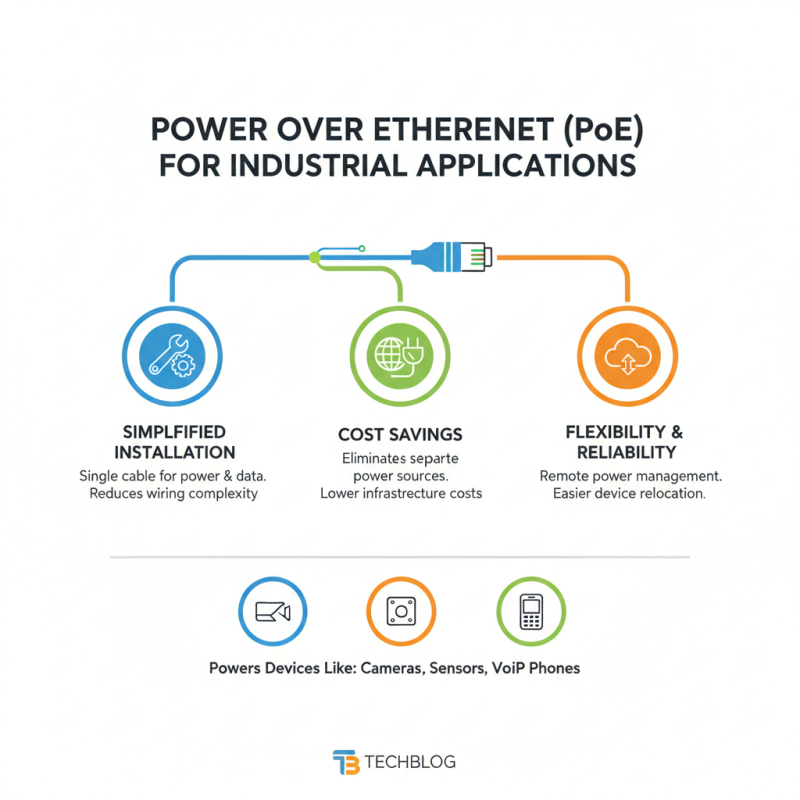
Power over Ethernet (PoE) technology has revolutionized the way industrial applications handle power and data transmission. By allowing electrical power to be delivered alongside data over standard Ethernet cables, PoE simplifies installation and reduces the need for separate power sources for devices such as cameras, sensors, and VoIP phones. This is particularly advantageous in industrial environments where access to power outlets may be limited and installation costs need to be kept low. Moreover, the ability to power devices remotely helps streamline operations and maintain flexibility in network design.
In industrial settings, PoE technology is leveraged to enhance connectivity and efficiency. For example, high-definition surveillance cameras can be deployed in remote locations without the need for additional cabling for power, significantly cutting down on installation time and labor costs. Furthermore, PoE supports advanced features such as redundancy and network reliability, which are essential in critical applications like factory automation and monitoring systems. As industries continue to evolve towards smart solutions, the integration of PoE technology will play a crucial role in supporting scalable and efficient infrastructure, ensuring seamless communication and power delivery in dynamic environments.
Performance Metrics: Bandwidth and Latency of Managed PoE Switches
When considering a managed Power over Ethernet (PoE) switch, performance metrics such as bandwidth and latency play a crucial role in the overall efficiency and effectiveness of your network. Bandwidth refers to the maximum rate of data transfer across a network, and it is essential for ensuring that devices can communicate without bottlenecks, especially in installations where multiple devices are connected simultaneously. A managed PoE switch with high bandwidth capabilities allows for smoother operation, enabling applications such as video surveillance or VoIP to function optimally without interruptions.
Latency, on the other hand, measures the time it takes for data to travel from source to destination. Low latency is particularly important in real-time applications, where delays can lead to poor performance and negative user experiences. A managed PoE switch designed with low latency in mind can significantly enhance the responsiveness of connected devices, making it ideal for critical systems that require immediate data processing and feedback. Therefore, when selecting a managed PoE switch, carefully examining its bandwidth and latency specifications will ensure that it aligns with your network demands and supports the applications that are essential for your operations.
Scalability: How Managed PoE Switches Support Network Expansion
Scalability is a critical aspect of modern network infrastructure, particularly when it comes to Managed Power over Ethernet (PoE) switches. These switches are designed to not only meet the current demands of a network but also to adapt to its evolving needs. As businesses grow and technology advances, the ability to seamlessly expand a network without a complete overhaul is essential. Managed PoE switches provide this flexibility by allowing additional devices to be integrated with minimal disruption, making them an ideal choice for dynamic environments.
One of the key features that support this scalability is the ability to manage and configure multiple switches through a single interface. Network administrators can quickly add or remove devices, adjust power settings, and monitor performance metrics, all from a centralized point. This level of control not only simplifies the process of scaling up an operation but also enhances overall network performance and efficiency. Furthermore, many managed PoE switches feature VLAN support, which enables the segmentation of network traffic, allowing businesses to scale operations while maintaining security and performance standards. By investing in scalable managed PoE switches, organizations position themselves for future growth and technological upgrades with ease.
Features of Managed PoE Switches Supporting Scalability
Importance of Redundancy and Reliability in Industrial Networking Solutions
In the realm of industrial networking solutions, redundancy and reliability stand as critical factors that ensure uninterrupted operations. Industrial environments often face harsh conditions, making it essential for networking equipment to maintain consistent performance even in the face of failures. By incorporating redundancy features, such as dual power inputs and failover mechanisms, businesses can significantly enhance the resilience of their networks. These features allow for automatic switching to backup systems when primary components fail, thus minimizing downtime and maintaining operational continuity.
Reliability in industrial networking also hinges on robust design and rigorous testing of network components. Managed PoE switches, designed for industrial environments, must endure fluctuations in temperature, humidity, and electrical surges. The integration of advanced diagnostic tools and monitoring capabilities ensures that potential issues can be preemptively identified and addressed before they escalate into critical failures. This proactive approach to network health not only fortifies reliability but also instills confidence in operational integrity, allowing industries to function efficiently without the looming threat of network interruptions.
Top 10 Industrial Managed Poe Switch Features You Must Know Before Buying
| Feature |
Description |
Importance |
| PoE Support |
Enables Power over Ethernet for powering connected devices. |
Essential for reducing cabling costs and increasing flexibility. |
| Redundancy Features |
Includes features like dual power inputs and ring topology support. |
Ensures network reliability and uptime in critical environments. |
| Management Protocols |
Support for SNMP, RMON, CLI, and web management interfaces. |
Facilitates monitoring and managing network devices efficiently. |
| Port Configuration |
Ability to configure individual ports for different requirements. |
Enhances control over network traffic and resource allocation. |
| VLAN Support |
Virtual LAN creation for segmenting network traffic. |
Improves security and performance by isolating data streams. |
| Quality of Service (QoS) |
Prioritization of network traffic to ensure performance. |
Critical for applications that demand low latency and high throughput. |
| Ethernet Standards |
Compliance with IEEE Ethernet standards for interoperability. |
Ensures compatibility with a wide range of network devices. |
| Environmental Resilience |
Design for extreme temperatures, humidity, and vibration. |
Vital for maintaining functionality in harsh industrial settings. |
| Firmware Upgradeability |
Ability to update firmware for added features and security fixes. |
Important for long-term device support and security enhancements. |
| Security Features |
Support for features like ACLs, port security, and encryption. |
Essential for protecting network integrity and sensitive data. |