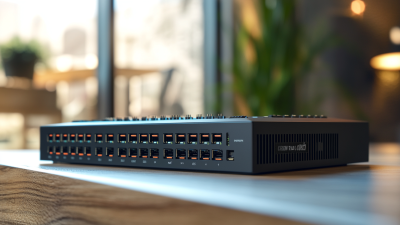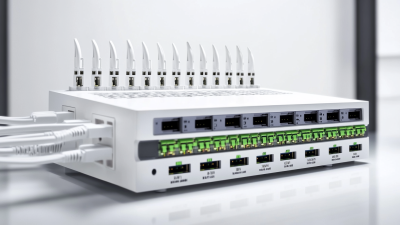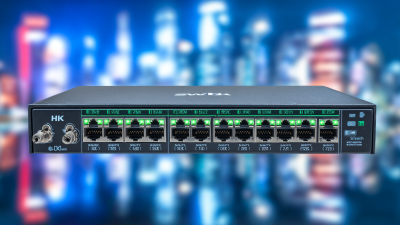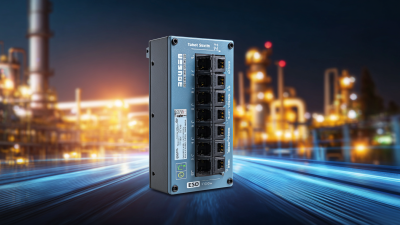
In the ever-evolving landscape of industrial networking, the Industrial Managed PoE Switch stands out as a crucial technology. These switches offer power and data transmission over a single cable, streamlining installations in various environments. With their ability to support multiple Power over Ethernet (PoE) devices, they enhance efficiency and reduce clutter.
Many industries are adopting these switches, from manufacturing to transportation. The features of Industrial Managed PoE Switches are diverse. They provide network reliability, advanced security, and extensive management capabilities. However, the complexity of their functionalities can be daunting for some users. Understanding how to utilize these features effectively is essential.
Investing in an Industrial Managed PoE Switch requires reflection on your specific needs. Not every business may benefit equally from these systems. Evaluating the benefits and potential challenges is necessary to ensure a wise investment. Choosing the right switch can significantly impact productivity and operational efficiency.

When considering the top industrial managed PoE switches of 2026, several key features stand out. These switches are designed for harsh environments. They often include rugged casings to withstand extreme temperatures. In addition, they offer advanced network security options, which protect sensitive data. This is crucial for many businesses.
Another important aspect is PoE capability. The best switches support various power budgets, enabling multiple devices. Users can power cameras and access points from a single switch. However, there can be challenges. Configuring these devices requires a solid understanding of networking. Mistakes in configuration can lead to network downtime. Therefore, proper training and documentation are essential.
Furthermore, these switches often provide user-friendly interfaces. This allows for easy monitoring and management of the network. Some models even include web-based interfaces. Despite these features, the interfaces can still feel overwhelming at times. Users should be prepared to invest time into learning their functionalities. Overall, top industrial managed PoE switches in 2026 offer numerous benefits, but they also require careful consideration and management.

In industrial environments, managed Power over Ethernet (PoE) switches play a crucial role. They offer the ability to control and monitor network devices effectively. With these switches, businesses can prioritize data traffic. This leads to improved operational efficiency and reduced downtime.
Managed PoE switches provide several benefits. They enable remote management, which is vital for monitoring equipment in real-time. In case of a failure, administrators can quickly resolve issues, minimizing disruptions. Additionally, these switches allow for VLAN configurations. This enhances security by segmenting different networks.
Tips: When choosing a managed PoE switch, consider scalability. Plan for future growth to avoid outgrowing your network. Another point to ponder is the placement of switches. Ensure they are in secure, accessible locations for maintenance. Emphasizing these aspects can lead to a more reliable network infrastructure.
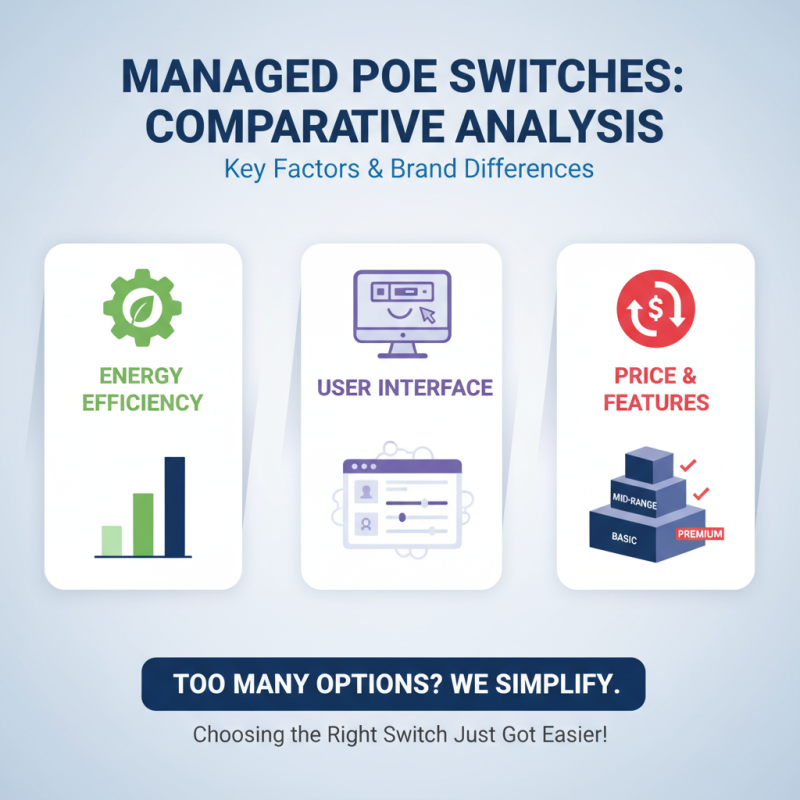
When comparing different brands of managed PoE (Power over Ethernet) switches, several factors come into play. These switches can vary significantly in terms of features, performance, and price. One brand may offer superior energy efficiency, while another shines in user-friendly management interfaces. The complexity of these devices can be daunting. Users often feel overwhelmed by the variety of options available.
A key feature to examine is powering capability. Some switches provide higher wattage outputs. This allows them to support more power-hungry devices, like PTZ cameras or access points. Others may focus on advanced management features, such as network monitoring or VLAN support. These can greatly enhance network security and flexibility. However, not every user needs advanced features. Simpler models might be just as effective for smaller networks.
Price is another critical consideration. Some brands might seem budget-friendly but could skimp on build quality or support. These trade-offs can lead to frustrated users down the road. Therefore, it's essential to weigh initial costs against long-term reliability. Trying to find the perfect switch often feels like searching for a needle in a haystack. Balancing features with actual needs is not always straightforward. Users regularly face a dilemma of choosing between cost and capability.
Implementing industrial managed Power over Ethernet (PoE) switches requires careful consideration of various factors. According to a recent industry report, the demand for managed PoE switches increased by nearly 30% in 2022. This trend highlights the importance of reliability and energy efficiency in industrial settings. When deploying these switches, businesses should prioritize creating a robust network infrastructure to support their critical applications.
One key practice is to assess the power requirements of connected devices. For instance, a typical IP camera might need 15 watts, while a wireless access point could require up to 30 watts. Balancing power distribution ensures optimal performance without overloading the switch. Additionally, using network management tools can help monitor traffic and device status. These tools can provide insights that lead to better decision-making regarding network resource allocation.
Another consideration is the physical environment. Industrial settings often expose equipment to harsh conditions. Implementing proper housing and ventilation for PoE switches is essential. Reports indicate that improper installation could lead to downtime, costing businesses thousands in lost productivity. Evaluating the environmental factors can help prevent such risks. However, many organizations overlook this aspect, which can lead to unnecessary challenges.
| Feature | Description | Benefits | Best Practices for Implementation |
|---|---|---|---|
| Power over Ethernet (PoE) | Provides power and data over the same Ethernet cable. | Reduces cabling costs and simplifies installation. | Assess power needs of devices before implementation. |
| VLAN Support | Allows for segmentation of networks. | Enhances security and reduces traffic congestion. | Plan VLAN structure to optimize network performance. |
| Quality of Service (QoS) | Prioritizes network traffic for better performance. | Improves reliability for critical applications. | Configure QoS settings based on application requirements. |
| Redundancy Protocols | Supports protocols like STP to prevent loops. | Ensures network availability and reliability. | Implement redundancy with careful network design. |
| Web Management Interface | User-friendly interface for configuration and monitoring. | Simplifies management and troubleshooting tasks. | Regularly check and update configurations. |
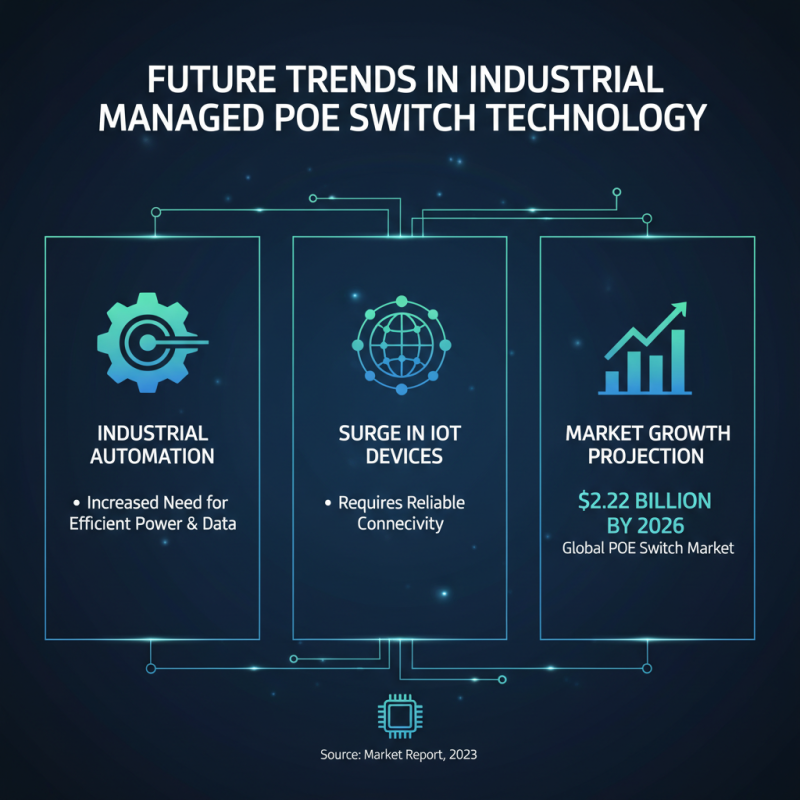
The landscape of industrial managed PoE switch technology is rapidly evolving. As industries embrace automation, the demand for efficient power and data transmission grows. According to a recent market report, the global PoE switch market is expected to reach $2.22 billion by 2026. This growth is driven by the surge in IoT devices that require reliable connectivity.
Future trends indicate that advanced features will become standard. Enhanced security measures are essential, particularly against cyber threats. Statistical projections suggest that by 2025, nearly 75% of cyberattacks will target operational technology. Therefore, integrating robust cybersecurity protocols within switches is crucial. Additionally, the shift towards energy efficiency is significant. Reports highlight that PoE technology can reduce energy consumption by up to 30%.
However, the transition to more sophisticated PoE switches presents challenges. Not all facilities are equipped for the upgraded infrastructure. Some industries may struggle with compatibility issues. It's vital to consider these obstacles while planning for future deployments. The industry needs to reflect on how to balance innovation with practical implementation.